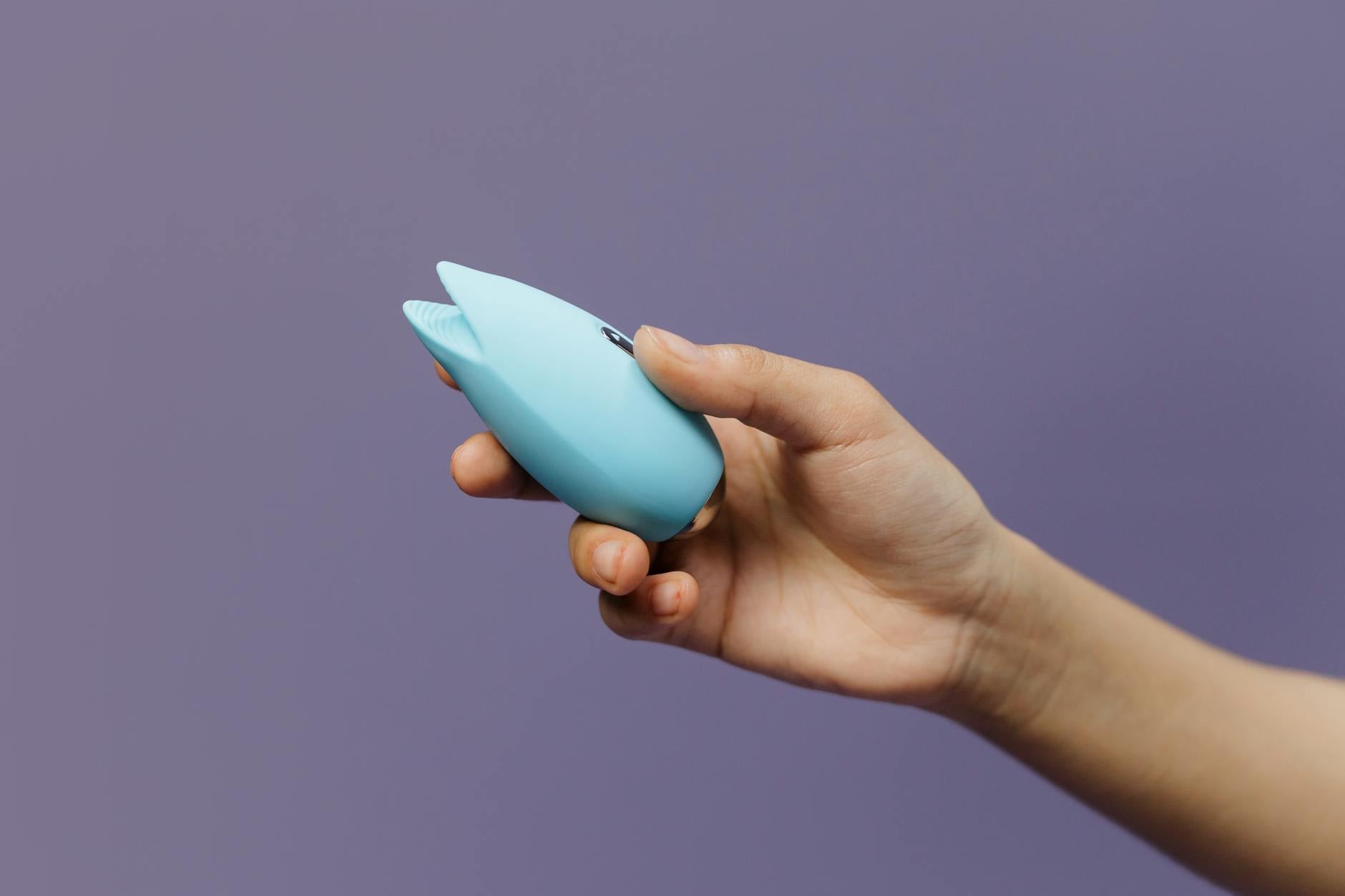
Let's be real about depression and sex
Depression doesn't just kill your mood. It rewires how your brain processes reward. The dopamine pathways that fire when you experience pleasure flatten out. Add an SSRI or SNRI to the mix, and you've got a double hit. Sex becomes something you're supposed to want but don't feel.
The temptation is to assume that once depression lifts, desire comes roaring back. It doesn't. Recovery is slower and more granular than that. But it is recovery. Your capacity for pleasure hasn't been destroyed. It's been put on pause, and there are concrete ways to restart it.
What actually happens neurologically
Depression affects the mesolimbic dopamine pathway. This is the pleasure and motivation circuit. When it's suppressed, sex doesn't feel bad exactly. It feels like nothing. There's no drive, no anticipation, no reward signal at the end. Many people describe it as watching themselves have sex rather than experiencing it.
SSRIs and SNRIs are necessary for most people with depression, but they come with sexual side effects in about 40-60% of users. The mechanism varies. Some inhibit nitric oxide production, which you need for genital blood flow. Others dull sensation directly. The specifics depend on which medication and your individual neurobiology.
What's important to know: this is temporary and treatable. If your depression is lifting but sexual function hasn't returned, you have options. Your doctor might adjust timing of doses, switch medications, or add an augmenting agent. But that conversation takes time. Meanwhile, you can start rebuilding the neural pathway to pleasure yourself.
Why lemon clitoral vibrators work particularly well here
A lemon vibrator like the ones from Get Lemon Vibrators uses air-suction stimulation rather than traditional vibration. That matters during recovery for three reasons.
First, sensation rebuilds fastest with stimulation that feels novel and distinct. Your brain hasn't habituated to it. Traditional vibration you may have used before, but the pulsing suction of a lemon sucker feels different. That novelty jumpstarts neural plasticity.
Second, the concentration of stimulation is intense without requiring you to be aroused first. Depression-era numbness means you can't rely on natural lubrication or arousal cues to guide you. A lemon clitoral vibrator creates feedback directly. You feel it working, which matters when sensation is muted.
Third, air-suction stimulation activates different nerve clusters than vibration alone. Depression preferentially dulls certain sensory pathways. By using a different stimulus, you're lighting up circuits that might still have some responsiveness.
The pacing protocol that actually works
Here's what I recommend to clients rebuilding pleasure after depression.
Weeks 1-2: sensation mapping, no orgasm goal. Start alone. Use your lemon vibrator at its lowest setting for 3-5 minutes every other day. Don't aim for anything. Notice where sensation appears first. Most people feel it in the clitoral glans before the surrounding tissue. That's normal. The goal is data, not outcome.
Weeks 3-4: gentle escalation. You might try settings 2-3 if levels 1 felt very subtle. Keep sessions to 10 minutes max. If orgasm starts to feel close, dial back intensity. You're not chasing climax yet. You're teaching your nervous system that pleasure is possible and safe again.
Weeks 5-6: extend the window. Now you can go longer and explore transitions between settings. Some people find they need a period of lower stimulation to cool down, then restart. That's your pelvic floor and nervous system resetting. Let it happen.
Week 7+: integration. If you're partnered, you're starting to bring this back into that context. If solo, you might now deliberately chase orgasm because you've rebuilt enough sensation and confidence that reaching it feels real.
This timeline isn't universal. Some people move faster. Depression-related numbness sometimes lifts suddenly with medication adjustment. But many people move at this pace or slower, and that's okay.
Managing expectations and setbacks
One session will feel great and the next will feel flat. This is incredibly normal during recovery. Your nervous system is resensitizing in fits and starts. Brain fog, medication timing, stress, sleep, and hormonal fluctuations all influence sensation day to day.
The trap is interpreting one flat session as proof that pleasure isn't coming back. It's not. It's weather. Track the general trend over weeks, not days.
If you hit a wall and sensation doesn't improve for three weeks straight despite trying different approaches, that's worth discussing with your psychiatrist. It might mean medication adjustment would help. It's not a personal failure. Depression treatment is still trial and error, and what supported you initially might need tweaking as recovery progresses.
When and how to involve a partner
If you're partnered, this is tricky. Many partners feel rejected during the depression window. Your lack of interest wasn't personal, but they may have internalized it. Starting to rebuild pleasure solo is smart for two reasons: you're not performing or managing their feelings, and you're establishing your own sensation baseline before adding the complexity of partnership.
Once you've got a few weeks of solo practice and feel something shifting, the conversation with your partner matters more than the mechanics. You're not saying "I'm ready to have sex with you." You're saying "I'm starting to feel something again. It's slow and strange, but it's happening. I need patience and no pressure, and I want you to know that's about my recovery, not about you."
Then bring the lemon vibrator into partnered sex only if you want to. Some couples find that using it together during foreplay helps the partner feel included rather than threatened. Others find that the person in recovery needs to keep solo practice sacred. Both are legitimate.
What else actually helps
A lemon clitoral vibrator is useful, but it's not the whole picture. Three other things matter:
Movement. Depression dampens proprioception. Your body doesn't feel like yours. Exercise, stretching, or even just dancing to music helps reestablish that connection. You're more likely to feel genital sensation when the rest of your body feels present.
Sleep. Sensation rebuilds during sleep. If you're not sleeping enough, recovery stalls. This is non-negotiable.
Reducing performance pressure. The person most likely to pile pressure on you is you. If you start using your lemon vibrator and immediately expect orgasms, you'll recreate the same outcome-focused anxiety that depression created. The win is sensation returning, not climax on schedule.
The long view
Depression is a storm that passes through and sometimes circles back. While it's happening, pleasure feels impossible. After it clears, pleasure feels like it should snap back immediately. It doesn't. Recovery is gradual and nonlinear, and that's not a flaw in your body or your recovery. It's just how the nervous system works.
Using a lemon vibrator during this phase is one concrete way to send your brain and body the message that pleasure is safe, possible, and worth rebuilding. Not in a desperate, grasping way. In a patient, methodical, grounded way. Your sensitivity will return. It just needs the right conditions and some time.
People also ask
Can I use a lemon vibrator while I'm still on antidepressants?
Absolutely. In fact, you should. Sensation numbness from SSRIs doesn't improve overnight when you adjust the dose. You might need to use a lemon sucker at higher settings while on medication than you will after. That's fine. Once medication side effects ease, you'll find lower settings suffice. The practice of using the vibrator is valuable regardless of where you are in the medication journey.
How long does it typically take for sexual sensation to come back after depression?
It varies widely. Some people feel shifts in 4-6 weeks. Others take 3-4 months. Medication adjustment, sleep quality, stress load, and individual neurobiology all play a role. The important part is tracking trends over weeks, not expecting day-to-day consistency. If you're showing any improvement over a month, you're on the right trajectory.
What if I feel guilt or shame while trying to rebuild pleasure?
That's common, especially if depression made you feel like you were failing your partner or yourself. Shame is a signal worth listening to, but it's not the truth about what you're doing. Rebuilding pleasure is recovery work. It's an act of self-preservation. If guilt is intense, talking with a therapist who specializes in depression and sexuality can help you untangle what's from depression and what's from other sources.
Is a lemon vibrator better than other types for depression-related numbness?
Not categorically better, but different. Air-suction devices like a lemon clitoral vibrator create a distinctive sensation that traditional vibrators don't. That novelty is valuable when sensation is muted. But if you already own a different vibrator and want to start there, you can. The mechanism matters less than consistency and patience.
Can antidepressant medication be changed to reduce sexual side effects?
Often yes. SSRIs and SNRIs vary in their sexual side effects. Some cause more numbness, others more delayed orgasm. Your psychiatrist might switch you to a medication with a lower sexual side-effect profile, adjust timing of doses, or add a medication to counteract numbness. These conversations matter. Sexual function is part of health, not a vanity concern.
If my partner feels threatened by me using a vibrator during recovery, how do I handle that?
Separate the two conversations. One is about your recovery and your relationship with pleasure. The other is about your partner's feelings and what they need to feel secure. Both are real. But trying to manage their insecurity while rebuilding your own sensation is adding weight you don't need to carry right now. Set a boundary: "I need to do this solo for my recovery. Your feelings matter, and we can also talk about what you need, but not as a condition of me healing." If your partner can't respect that, couples therapy is the next step.
Path forward
Likely you found this post because depression took something from you, and you're wondering if it comes back. It does. Not because you're special or because willpower is involved. Because your nervous system is designed to recover, and recovery is a skill you can practice. A lemon vibrator is one tool for that practice. Use it, track the subtle changes, and be patient with yourself. If you have questions about your specific situation or want personalized guidance on rebuilding intimacy in your relationship, reach out at /contact. Recovery is possible, and you don't have to navigate it alone.