Let's start with what nobody tells you
Pain during sex with a partner happens to a lot of people. It's not a sign you're broken. It's not something you should "just relax" through. And it's absolutely not a reason to stop having sex altogether.
Here's the thing: pain and pleasure are processed in overlapping neural pathways, which means addressing one directly affects the other. When penetration hurts, your nervous system tightens. That tension makes the next time harder, both physically and mentally. A lemon clitoral vibrator interrupts that cycle by shifting focus to sensation that feels good, rebuilding your body's confidence in pleasure.
Why pain shows up during partnered sex
There are several common causes, and they rarely have anything to do with your partner or your love for them.
Vaginismus is involuntary muscle tension in the pelvic floor. It's not conscious. Your body doesn't "decide" to clench. Anxiety, past trauma, or even the anticipation of pain can trigger it. The tighter the muscles, the more discomfort, which tightens them more. It's a feedback loop.
Vulvodynia is chronic pain in the vulva without an obvious cause. It can feel like burning, stinging, or raw sensitivity. It's real, it's treatable, and it's more common than most people realize.
Insufficient arousal changes tissue response. If you're not fully aroused before penetration begins, the vagina doesn't expand as much, lubrication is lower, and the sensitive tissues are more vulnerable to friction. This happens a lot in longer relationships where foreplay shortens over time.
Medical factors include hormonal changes, certain medications, infections, or conditions like endometriosis. These need a doctor's assessment, not just a vibrator fix. But once you've ruled out or treated the medical side, a lemon vibrator becomes part of your toolkit.
Psychological factors matter too. If sex has been painful before, your brain anticipates pain now, even if the original cause has healed. Your nervous system is protecting you. That's not wrong. It just needs rewiring.
How a clitoral vibrator shifts the experience
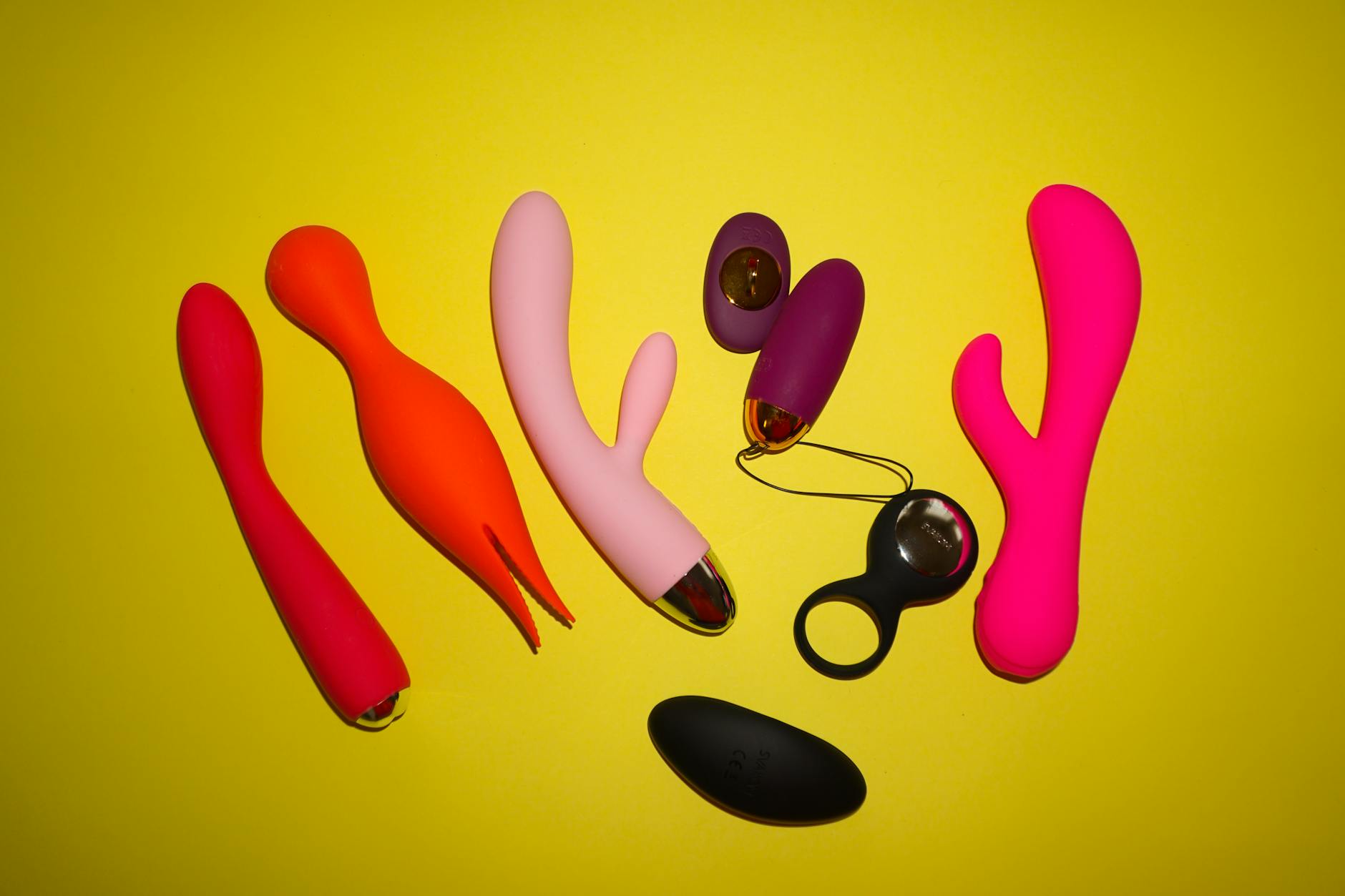
A lemon clitoral vibrator works differently than penetration. It stimulates external nerve endings without the friction or pressure that often triggers pain. This matters for partnered sex because it:
Allows you to experience pleasure without fear. When you're not bracing for pain, your body can actually relax. Relaxation is the opposite of vaginismus. It's also the foundation for better arousal overall.
Shifts the focus away from penetration as the "main event." In many relationships, penetration gets framed as the goal. But when penetration hurts, that frame becomes a source of anxiety. A lemon sucker or other clitoral toy reframes sex as something broader. You're building arousal through a path that feels good, which makes partnered intimacy feel less loaded.
Builds your own arousal independent of your partner's pace. If your partner is ready before you are, you don't have to force it. You can use a lemon vibrator to get to the arousal level you need, then invite your partner in. No rushing. No pain from insufficient prep.
Gives you control in a vulnerable moment. Pain during sex can make you feel powerless. Using your own tool, on your own timeline, in your own way, returns agency to you. That psychological shift is huge.
The practical setup for partnered play
Talk to your partner first. Not during sex. Before. Tell them what's been happening, what you want to try, and what success looks like to you. Most partners are relieved to have a conversation instead of guessing why sex has stopped or feels tense.
Start with external stimulation only. Use the lemon vibrator on your clitoris and vulva until you're genuinely aroused. This takes longer than you might think. Budget 15 to 25 minutes. Your partner can be involved (they can stimulate other parts of your body, kiss your neck, talk to you) or they can give you space. Whatever feels right.
Once you're aroused, you have options. You might find that penetration feels completely different now. Or you might decide you don't want penetration at all that day, and that's fine. Sometimes the goal is partnered pleasure that doesn't involve penetration. A lemon clitoral vibrator makes that a full, satisfying experience instead of a consolation prize.
If you do move to penetration, go slowly. Your arousal creates natural lubrication, but adding a water-based lube is smart. It reduces friction and removes one variable that could trigger pain.
Keep the vibrator in play. Some people use it during penetration. Some use it before and after. Some find that alternating between penetration and clitoral stimulation (so nothing ever gets painful) is the sweet spot. There's no script. You're writing it together.
When to pause and get support
If pain persists despite these adjustments, see a pelvic floor physical therapist. They're trained to assess whether vaginismus or other muscle tension is the culprit, and they have hands-on techniques that work.
If penetration has always been painful, a sex therapist can help you and your partner untangle the psychological patterns that might be contributing. Pain has a memory. Sometimes you need professional support to help your body forget.
If you suspect a medical condition, get evaluated. Endometriosis, vulvodynia, and other conditions are diagnosable and often treatable. A lemon vibrator is an excellent tool, but it's not a substitute for medical care.
The relationship shift that happens
What I see most often is this. Pain during sex creates distance. Partners start avoiding intimacy because they don't want to hurt you. You start avoiding it because you're afraid. Sex becomes something that used to feel good, and now it doesn't, and that grief is real.
A lemon clitoral vibrator won't erase the medical or physical reasons for pain. But it can rebuild the bridge between you and pleasure while you're addressing those causes. It says, "Your body can still feel good. We're just approaching it differently."
Many couples tell me that working through painful sex actually deepened their intimacy. They had to talk more. They had to be more intentional. They had to prioritize each other's pleasure in a way they hadn't before. The lemon vibrator was the tool. The communication was the real fix.
Frequently asked questions
Can I use a lemon vibrator if I have vaginismus?
Yes. In fact, a lemon clitoral vibrator is often recommended by pelvic floor therapists as part of treatment. It helps you experience pleasure without the triggering sensation of attempted penetration. Use it externally only. As your nervous system relaxes and your pelvic floor muscles learn to release, you might gradually feel comfortable exploring more. But there's no rush.
Will a vibrator make penetration feel better immediately?
Sometimes. If insufficient arousal was the main issue, yes, a lemon clitoral vibrator can build arousal to a level where penetration becomes comfortable. But if pain is rooted in muscle tension, trauma, or a medical condition, the vibrator is one piece of a larger puzzle. Expect improvement over weeks, not instant results.
Should my partner use the vibrator on me, or should I use it myself?
Both work. Some people prefer self-directed stimulation because they know exactly how much pressure and which pattern feels good. Others like their partner to use it because it feels more connected. Start with whatever feels less pressured, then experiment.
What if penetration still hurts after we've tried a lemon vibrator?
See a pelvic floor physical therapist or gynecologist. Pain with penetration, even with good arousal and a vibrator, suggests a medical or muscular cause that deserves professional evaluation. A lemon vibrator is not a substitute for diagnosis.
Can we use a clitoral vibrator instead of trying penetration?
Absolutely. Many couples find that sex without penetration is just as satisfying, sometimes more so. A lemon clitoral vibrator plus partnered stimulation can be a complete, fulfilling sexual experience. If penetration has been painful, removing that expectation often takes the pressure off both of you.
How do I bring this up with my partner without making them feel responsible for my pain?
Be direct and kind. Try something like, "Sex has been painful for me, and I've been avoiding it because of that. I want to fix this, and I want us to figure it out together. I'm thinking about trying a vibrator to rebuild pleasure. Would you be open to exploring that?" Most partners want to help. They just need to know what's happening and what you need.
The bottom line
Pain during partnered sex is common, treatable, and fixable. A lemon clitoral vibrator isn't the whole answer, but it's often a crucial part of it. It lets you rebuild your relationship with pleasure while you're addressing the root cause of pain. It shifts the dynamic from "I have to endure this" to "I deserve to feel good," and that shift changes everything.
Start the conversation with your partner. Get professional support if pain persists. And know that many people have walked this exact path and come out the other side with more satisfying, connected sex than they had before.