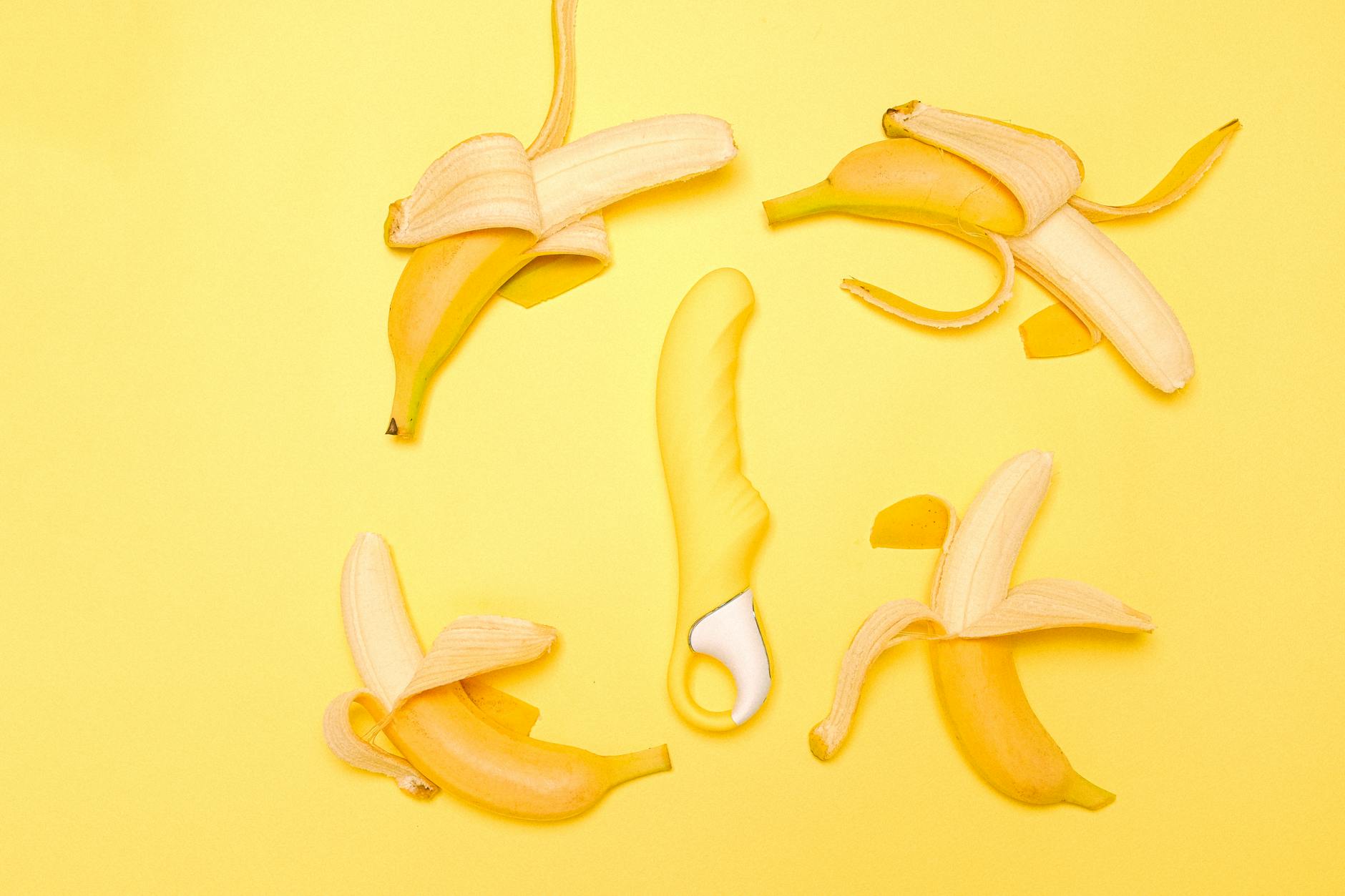
Here's what nobody tells you about sensation loss
Diabetes and neuropathy kill the signal. Not the desire, not the nerve endings themselves, just the speed and clarity of the messages traveling from your skin to your brain. The wiring is still there. It's just running slower, dimmer, or spotty in patches.
The good news? That's also fixable. Sensation often improves with better blood glucose control, nerve-protective medications, and sustained stimulation over time. In the meantime, lemon vibrators and other clitoral vibrators help you work around the lag and rebuild the connection faster than manual stimulation alone.
How nerve damage actually changes pleasure
When high blood sugar damages the nerve fibers in your vulva and clitoris, a few specific things happen. First, the threshold for feeling something rises. You need more pressure, more movement, more intensity to register sensation. Second, the distinction between different types of touch blurs. Featherlight touches disappear entirely. Strong, clear, repetitive stimulation is what gets through.
Third, and this matters: nerve pain or tingling can coexist with numbness in the same area. You might feel pleasure on one side of your clitoris and nothing on the other. You might experience a burning sensation that actually blocks arousal. This is wildly frustrating and also completely normal.
The clitoris has about 8,000 nerve endings. Diabetes doesn't destroy them all at once. What usually happens is scattered, patchy numbness. That means some spots are still wired hot while others are offline.
Why lemon vibrators work better than other tools
A lemon vibrator isn't just another vibrator. The technology matters here.
Traditional vibrators buzz at a steady frequency, usually 30 to 100 Hz depending on the motor. The sensation is consistent but static. Your nervous system adapts to it over time, which means after 5-10 minutes, you feel less even though the vibrator hasn't changed. It's called sensory adaptation, and it's the opposite of what you want when sensation is already compromised.
Lemon clitoral vibrators like the Lemon work differently. They use air-pulse technology that creates rhythmic patterns of suction and release, not continuous vibration. The pattern shifts the stimulation in a way that keeps your nerves engaged. Your nervous system doesn't habituate to it as fast, which means sensation builds rather than plateaus.
For people with neuropathy or diabetes-related sensation loss, this is the difference between "I feel something vague" and "Okay, now I feel that clearly."
Start with pattern, not intensity
Here's the mistake most people make: they assume lower sensation means they need to jump straight to the highest intensity. Wrong. You need to build sensation gradually.
With a lemon vibrator, start at pattern 1 or 2 (the gentlest pulse settings). Spend 3 to 5 minutes there, moving the head slightly to find the spots where you feel most. These are usually the sides of the clitoris rather than directly on the glans. Once you've found those spots, stay there. Your nerve endings are literally re-learning how to signal pleasure.
After a few sessions at low patterns, try pattern 3. Then 4. The goal is not to reach the highest intensity today. The goal is to train your nervous system to recognize and amplify the signal. That takes time.
Better blood flow and nerve regeneration happen at lower, consistent stimulation. You're not bullying your nerves into sensation. You're inviting them back.
The role of lubrication and touch
Lubricant matters more when sensation is compromised. Without it, there's friction, and friction creates background noise. Noise clouds the signal. Water-based lube reduces friction and also increases how much you feel the pressure changes from the lemon vibrator's suction patterns. It seems counterintuitive but try it.
Use your hand too. Not instead of the toy, but alongside it. Light touch with a finger on the inner labia or the other side of the clitoris while the lemon vibrator works keeps multiple sensory channels open. Your brain processes the combined input more clearly than a single stimulus alone.
Warmth also helps. A warm shower or bath 15 minutes before solo play opens blood vessels in your vulva and clitoris, improving sensation temporarily. Blood flow literally carries oxygen to the nerve endings. Better oxygen means better signaling.
Timing and consistency are anti-friction
You need to build a rhythm. This is not about "whenever you feel like it." Set a real schedule: 3 to 4 times a week, ideally on the same days. Your nervous system learns patterns.
Consistency also matters for glucose control. If you're managing diabetes, exercise (including sexual activity) improves insulin sensitivity. Better glucose control over weeks directly improves nerve function. You're not just chasing pleasure. You're actually supporting healing.
Session length should increase gradually. Start with 10 minutes. After 2 weeks, try 15. Not because you're working toward some finish line, but because sustained stimulation literally teaches your nerves to wake up. Nerve regeneration is slow. Three minutes is not enough time for the signal to build.
When sensation loss also means pain
If neuropathy brings tingling, burning, or sharp sensations alongside the numbness, you may need to work around those spots. The lemon vibrator's suction pattern actually helps here because you can position the opening away from the tender areas and still get strong stimulation on the places where sensation feels good.
If a particular area genuinely hurts, don't push into it. Nerve pain is your system saying "this is too much right now." That's not weakness. That's information. Use a lower pattern on the areas that feel neutral or good, and revisit the painful zones every few weeks. Often they quiet down as overall sensation improves.
If the pain is severe or spreading, talk to your doctor or a pelvic physical therapist. Sometimes medication adjustment or targeted physical therapy can reduce neuropathic pain while also improving sensation.
Partnered play when sensation is uneven
If you have a partner, tell them what you actually feel and where. Not what you think you should feel. This is crucial. Partners often interpret reduced sensation as rejection. It's not. It's a technical problem with a technical solution.
You can use a lemon vibrator together. Your partner can hold it while you guide the intensity and pattern. This removes the pressure of them trying to hand-stimulate you when their touch is getting "lost" in the neuropathy. The vibrator does the heavy lifting, and they handle the rhythm and positioning based on what you're reporting.
You might also find that stronger orgasms come with shorter sessions once you've rebuilt sensation over a few weeks. Let your partner know that's normal and good.
Tracking progress (you need benchmarks)
Without structure, it's easy to feel like nothing's changing. Set a baseline. On week 1, what's the lowest pattern you can actually distinguish from nothing? Where do you feel it most clearly? How long before sensation builds?
Write it down. Seriously. "Week 1: Feel pattern 1-2 only on right side of clitoris. Takes 6 minutes to feel pattern 3."
By week 3 or 4, you'll likely notice the threshold dropping. You'll feel pattern 1 across more of the clitoris. Or sensations build faster. These micro-improvements are real and they matter. They're also easy to miss if you're not tracking.
When sensation doesn't improve
If it's been 6 to 8 weeks of consistent play and you're not noticing any progress, talk to your doctor. Sometimes neuropathy needs nerve-protective medication (alpha-lipoic acid, gabapentin, or others) to heal. Sometimes it's a sign that glucose control needs adjustment. Sometimes it's a signal that you need pelvic floor physical therapy.
A good GP or endocrinologist should take this seriously. If yours doesn't, find one that will. This is a real problem with real solutions, and your pleasure matters.
FAQ: Sensation Loss and Pleasure
Can diabetes cause permanent sensation loss in the clitoris?
Diabetes can cause permanent neuropathy if it damages nerve fibers severely, but most sensation loss from diabetes is partial and reversible with better glucose control. Early intervention makes a huge difference. If your A1C has been high for years, regeneration takes longer, but it still happens. Consult your endocrinologist about nerve-protective medications and glucose targets.
Is it safe to use a lemon vibrator if I have neuropathy?
Yes, absolutely. Because sensation is reduced, you actually need the clear, patterned stimulation. Just start low, go slow, and avoid direct intense suction on areas where you're already experiencing tingling or pain. Let sensation build over time rather than pushing for intensity right away.
How long before I notice sensation coming back?
Most people notice small shifts within 2 to 3 weeks of consistent play. Full restoration takes months, sometimes longer depending on how severe the neuropathy is. Patience matters here. You're asking your nervous system to heal, not just to perform.
Can I use a lemon vibrator if I also have vaginal dryness from diabetes?
Yes. In fact, water-based lubrication paired with lemon clitoral vibrators works brilliantly for this combination. The lube reduces friction, and the vibrator's suction pattern doesn't require the kind of sustained friction that can aggravate dryness. You get stimulation without irritation.
Do I need to use the lemon vibrator in a specific position if I have neuropathy?
Not a specific position, but a specific angle relative to where you feel sensation best. Some people find side-lying is most comfortable. Others prefer sitting. The key is finding the angle where the lemon vibrator's opening sits against the spots that feel most awake. Once you find it, stick with it for several sessions. Consistency helps your nervous system learn the pathway.
What if using the vibrator makes the tingling or pain worse?
Stop immediately and switch to a lower pattern or take a break. Nerve pain is a boundary your system is setting. Respect it. If pain is consistently getting worse, see a doctor. But if it's just intense sensation in areas that were numb, that can actually be a good sign. Nerve regeneration sometimes comes with temporary heightened sensation that eventually calms down.
The bottom line
Sensation loss from diabetes or neuropathy is real and it sucks. But it's not the end of pleasure. Your clitoris didn't forget how to feel good. The signal just got noisy. A lemon vibrator's patterned stimulation cuts through the noise, helps rebuild the connection between your nerves and your brain, and often works faster than waiting for medication alone.
Start low. Be consistent. Track what shifts. And know that sensation often comes back, sometimes better than before. Your pleasure deserves that investment.