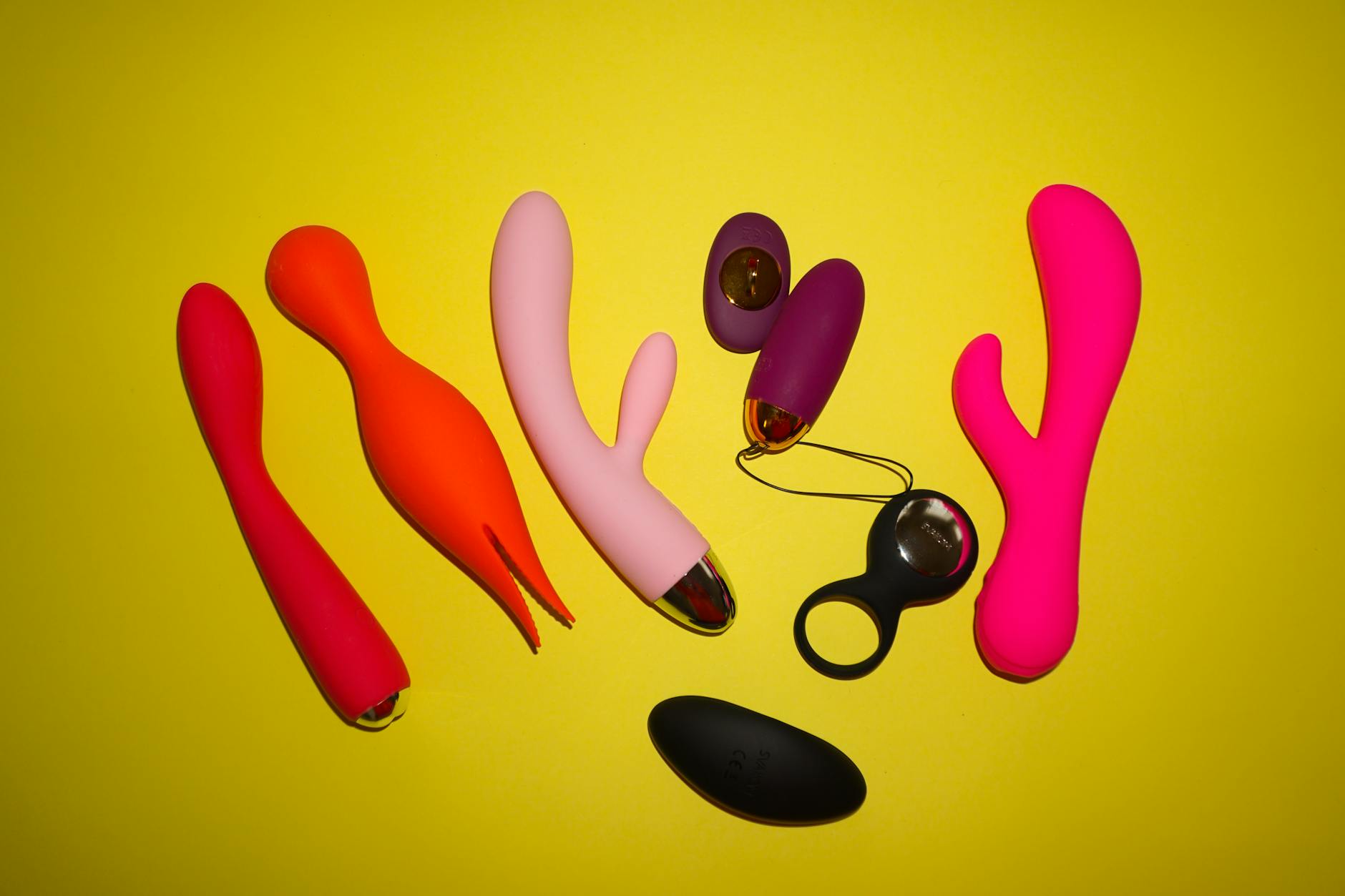
Let's talk about what infidelity does to your sex life
Infidelity doesn't just break trust in the abstract. It invades the bedroom. Suddenly, sex feels less like connection and more like proof of something. Either proof that you're still worth wanting, or proof that you've been replaced. Neither of those sensations is conducive to pleasure.
But here's what I've seen work: couples who move through infidelity together don't skip sex. They rebuild it deliberately, often with new tools that mark a fresh start.
The neuroscience of rebuilding sexual safety
When betrayal happens, the brain's threat detection system locks up. Your nervous system is running a security scan every time you're intimate. Arousal requires the opposite state. Pleasure requires the parasympathetic nervous system to be online. Fear shuts it down.
What a lemon vibrator does is shift the focus from "Am I safe with this person?" to "What am I feeling in my body right now?" The suction sensation is novel, specific, and self-directed. That matters. You're not dependent on your partner's touch to create the pleasure. You're creating it, and they're witnessing it. That's a different dynamic entirely.
Research on couples recovery after infidelity shows that reintroducing novelty and shared vulnerability accelerates trust rebuilding. A new tool in the bedroom signals permission to turn the page.
Why lemon vibrators specifically work for this moment
Three reasons a lemon clitoral vibrator suits the rebuilding phase better than traditional vibrators:
1. They're not about performance. A lemon sucker doesn't require rhythm or matching someone else's pace. You control the intensity, the pattern, the duration. If your partner is watching, they're not waiting for you to finish or holding their breath. They're just present.
2. The sensation is completely different from partnered sex. This isn't replicating what went wrong or what was lost. This is new territory for both of you. That distinction matters psychologically. Your brain isn't comparing this to memories of infidelity. It's processing something genuinely different.
3. They require communication to use well. Unlike a vibrator you can turn on and ignore, a lemon vibrator demands ongoing feedback. "Does this feel good?" "Want me to try the other pattern?" "Should I go slower?" That dialogue, repeated over time, rebuilds the micro-moments of consent and attunement that infidelity damages.
Starting the conversation with your partner
This isn't about suggesting a toy as a fix. It's about naming what you both want. Here's how I'd frame it:
"I want us to rebuild this part of our relationship. Not by pretending nothing happened, but by creating something that feels new and safe for both of us. Would you be open to exploring something together that's completely different from what we used to do?"
If they say yes, keep talking. "I've been thinking about trying a lemon vibrator. It's not about me needing it because you're not enough. It's about us trying something that doesn't carry the weight of what happened. What do you think?"
If they're hesitant, acknowledge that. Toys can feel loaded after infidelity. Some partners worry it means you're imagining someone else. Others feel like it's evidence they've already failed. Those concerns are valid. You might need to say: "This isn't a replacement for you. It's a different sensation we can both enjoy. Would you be willing to try it once and see how it feels?"
Not every partner will be ready. That's information too.
The first time using it together
Don't make it a performance. Here's what actually works:
Set a time when you're both rested and not resentful. Not the moment you've just resolved an argument. Not when you're both depleted. Pick an afternoon where you have privacy and no time pressure.
Start clothed. Use the lemon vibrator on yourself, solo, while your partner is in the room reading or just being present. This depressurizes it immediately. You're not orchestrating an event. You're just exploring your own pleasure while they're nearby. Many couples find this less threatening than simultaneous penetrative sex.
After a few minutes, pause. "Want to try?" If they do, let them use it on you. If you're nervous, say so. "I'm a little nervous, but I want to try." Start at the lowest setting. Breathe. Most people find the suction sensation activates pleasure almost immediately. Your nervous system might surprise you.
The goal is not orgasm. The goal is sensation. If it happens, fine. If not, also fine.
Moving forward with consistency
One session doesn't rebuild trust. Patterns do. Here's what couples tell me works:
Incorporate the lemon vibrator into your regular sex life once a week, minimum. Make it predictable. The predictability itself is healing after infidelity. Your partner becomes someone who shows up, who pays attention to your pleasure, who asks what you want. Repeat that enough times and your nervous system actually begins to trust them again.
You might start solo, progress to your partner directing it, then progress to partnered sex where you're using the lemon vibrator while they're inside you or beside you. That progression happens over weeks or months, not days.
Talk during and after. "That felt really good." "I liked when you slowed down." "I felt closer to you tonight." These micro-conversations are the actual work of rebuilding.
When you're still angry
Honestly, if you're in the immediate aftermath of infidelity and you're still explosively angry, sex with a toy won't help yet. You need couples therapy first. A lemon vibrator isn't therapy. It's a tool for couples who've decided to stay and rebuild, not a shortcut to forgiveness.
If you've been in therapy and you've decided to stay, if the anger has moved from acute to chronic, then yes. Pleasure can be part of moving forward. But not before genuine processing happens.
The psychological shift that actually happens
After infidelity, pleasure often feels like betrayal to the betrayed partner. Your partner had pleasure elsewhere. Now pleasure in your own body feels disloyal to your hurt. That's common.
Using a lemon vibrator together gradually rewires that. Pleasure becomes something you claim back for yourselves. Not as a couple trying to patch something. As two people who've decided to stay and who are actively choosing connection in real time. That's different. That's healing.
What if you're the partner who had the affair
If you're the one rebuilding after betraying your partner, a lemon clitoral vibrator serves a different purpose. It's a way to show up completely focused on your partner's pleasure without distraction. You're not performing for them. You're witnessing and supporting their sensation.
For many people who've been unfaithful, the reclamation of their partner's pleasure becomes its own kind of reparation. Not enough on its own, but part of a larger commitment to presence and attention.
Reality check
Some couples don't rebuild after infidelity. They try toys and therapy and conversations and it's still not enough. If you're in that situation, that's also valid data. A lemon vibrator can't fix a relationship that needs to end. It can only support one that both people genuinely want to continue.
FAQ: Rebuilding with a Lemon Vibrator
Can using a lemon vibrator help restore trust after infidelity?
A lemon vibrator can be part of rebuilding, not the whole repair. What it does is create new, shared experiences that aren't tainted by betrayal. The novelty combined with the shared vulnerability of exploring pleasure together can help both partners feel like you're turning a page, not just pretending the chapter didn't happen. But trust rebuilds through consistent behavior over time, not through toys.
What if my partner is resistant to using a lemon vibrator after infidelity?
Resistance often makes sense. Some partners feel toys are evidence they weren't enough, which infidelity already triggered. Others worry the betrayed partner is imagining someone else. Start by naming the resistance without judgment. "I notice you're hesitant. Can we talk about what this brings up for you?" Often the conversation matters more than the toy. If they're deeply opposed, pushing it will backfire. You might revisit it in a few months.
Should we use the lemon vibrator before or after sex with a partner?
There's no "should." Some couples find using it solo first, with the other person present, less charged than using it during sex. Others prefer it as part of partnered sex. Some use it as their entire sexual experience for a while. Pay attention to what feels safest and most pleasurable for both of you. The right approach is the one you both consent to.
How long does it typically take to rebuild intimacy after infidelity?
Varies widely. Some couples feel reconnected within months. Others need a year or more. Therapy, individual work, and genuine remorse from the unfaithful partner all affect the timeline. A lemon vibrator can accelerate pleasure-based reconnection, but it can't speed up the deeper emotional repair.
Is it better to use a lemon vibrator alone or with a partner during rebuilding?
Both matter. Solo use helps you reclaim your own pleasure independent of the relationship's status. Using it together helps you rebuild shared vulnerability. Many couples do both, gradually moving from solo exploration to partnered use as trust returns. Start with whatever feels safest.
What if I still have intrusive thoughts about infidelity during sex with the lemon vibrator?
That's normal. Your brain is trying to protect you. Don't fight the thoughts. Notice them, name them, and return to your body. "I'm having that thought. And I'm also here, feeling this sensation." If intrusive thoughts are severe, that's a sign you need more couples therapy before pleasure-based reconnection. There's no shame in that timeline.
Moving forward
Infidelity fractures the bedroom in ways that are specific and painful. Rebuilding isn't about pretending it didn't happen. It's about deliberately choosing to create something new, something both of you can feel safe in.
A lemon vibrator is a tool for that choice. Not a magic fix, but a concrete way to mark a fresh start and to practice the vulnerability, communication, and pleasure that relationships need to survive.
If you're considering this path and want personalized guidance for your situation, we're here. You can reach out at /contact to talk through what rebuilding looks like for you and your partner.