Here's the thing about perimenopause and arousal
Your brain hasn't changed. Your capacity for pleasure hasn't changed. But the pathway to get there? That's getting longer. And if no one told you that was coming, it feels like something broke.
It didn't. Perimenopause is a hormone fluctuation window (sometimes 4 to 10 years long) where estrogen and progesterone start their decline, but they're still bouncing around unpredictably. One of the earliest signals is arousal that takes noticeably longer to build. Some days it feels normal. Some days it feels stuck. Most days it's somewhere in between.
That unpredictability is why understanding the mechanism matters. Once you know what's happening, you can actually work with it instead of against it.
What changes physiologically during perimenopause
Three things happen simultaneously when estrogen starts shifting:
First, the clitoris receives less blood flow during arousal. That means swelling and sensitivity build more slowly. Your body is working the same system it always has, but the hydraulics are slower. Blood takes longer to pool, tissues take longer to engorge, and the sensation you're used to arriving at minute 3 might now arrive at minute 12.
Second, vaginal tissue becomes thinner and less elastic because estrogen is the primary nutrient that keeps that tissue supple. This doesn't mean dryness is inevitable (lubrication is a separate thing), but it does mean friction that felt fine at 35 might feel uncomfortable at 45. Thinner tissue is more sensitive to pressure, so you need gentler stimulation or more lubrication, or both.
Third, your nervous system gets a bit noisier. Cortisol from stress and sleep disruption (both common in perimenopause) competes with the dopamine and oxytocin pathways that drive arousal. Your body is literally fighting itself.
None of this means arousal is broken. It means the timeline changed.
Why lemon vibrators work specifically for slower arousal
Traditional vibrators buzz. They deliver rapid, broad-spectrum vibration across a wide area. That approach works beautifully when you already have good blood flow and quick arousal. But when arousal is building slowly, you're asking your clitoris to swell against the clock, and vibration alone sometimes feels irritating rather than pleasurable.
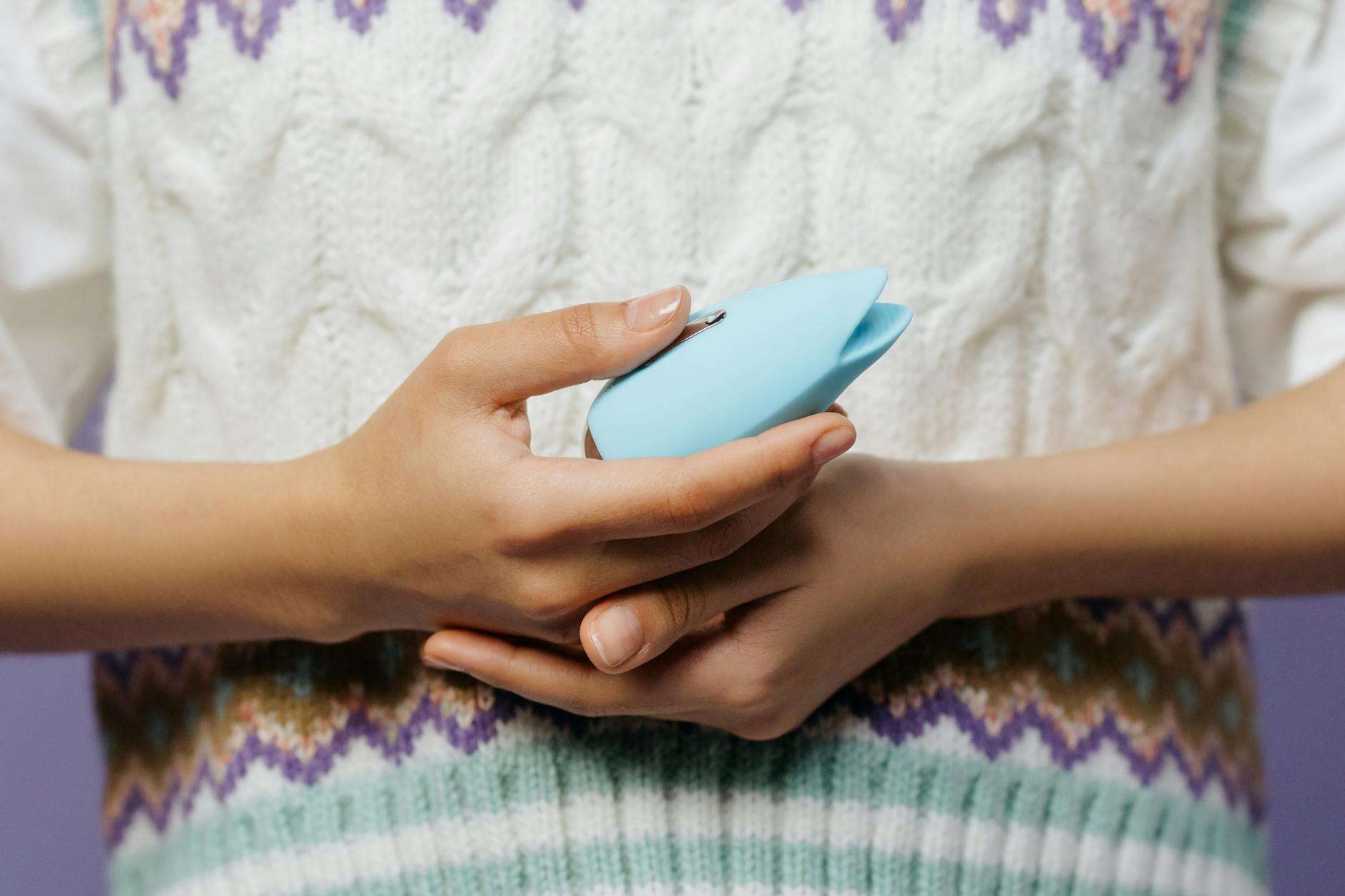
A lemon vibrator works differently. It uses gentle suction that mimics the sensation of oral sex. Instead of vibrating the tissue, it creates a rhythmic pulse and gentle drawing motion that encourages blood flow naturally. For people in perimenopause, this is the difference between pushing arousal forward and inviting it forward.
The suction mechanism also means you don't need direct friction. That matters because thinner tissue responds better to pressure that's applied broadly (via suction) rather than concentrated (via vibration). Get Lemon Vibrators' lemon clitoral vibrator, for example, creates a seal around the clitoris. That seal allows the tissue to swell without external pressure irritating it. It's less forceful and more adaptive.
How to restructure your warm-up timeline
Here's where most people go wrong: they assume slower arousal means adding 5 minutes. It usually means adding 15 to 25 minutes, and shifting when the toy enters the scene.
Instead of jumping to the vibrator when you feel a spark, use this structure:
Minutes 1-10: Touch and mental focus. No toy. Use hands, a partner's hands, or both. The goal isn't orgasm yet. It's lowering your cortisol and warming up sensation. If you're with a partner, this is conversation, kissing, or whatever non-genital touch feels connective. If you're solo, use this time to get fully present. Put the phone face-down. Commit to the next 20 minutes being yours.
Minutes 10-15: Genital touch, no vibration. Explore with hands or a partner's mouth. You're noticing where sensation feels best. Some people find the hood feels better than direct clitoral contact during perimenopause. Some find the side or base more responsive. You're mapping your own body during this transition.
Minutes 15 onward: Introduce the lemon vibrator. Now that blood flow has started naturally, the vibrator has something to work with. Start at pattern 1 or 2, not maximum intensity. You're not trying to rush. You're sustaining what you've built.
This doesn't feel slow because it's intentional. You're not waiting for arousal to happen. You're actively building it.
Adjusting intensity and pattern selection
Most lemon vibrators have multiple patterns beyond just straight vibration. The suction patterns often feel more natural during perimenopause because they don't demand that your tissue be already engorged to feel good.
Here's what to try:
Start with the gentlest suction pattern, not the strongest. Your clitoris is receiving less baseline blood flow, which means it's more sensitive to sudden changes in intensity. A pattern that felt subtle at 40 might feel perfect at 48. You're not losing sensitivity. The tissue is just recalibrating.
Wait 30 seconds to one minute between pattern changes. Give your body time to adjust and to build sensation. Jumping between patterns every 10 seconds often produces that scattered, unable-to-focus feeling that people mistake for lost sensitivity.
If a pattern feels irritating rather than pleasurable, switch immediately. Don't push through it. Irritation is your nervous system saying the stimulation doesn't match what your tissue needs right now. That's data, not failure.
Lubrication matters more, even if you're not dry
This is counterintuitive: you might not feel notably dry, but your tissue is thinner, which means it needs lubrication support even when natural lubrication is adequate. The suction from a lemon vibrator works best with a water-based lubricant because it allows smooth movement and creates a better seal.
Use a generous amount. You're not being excessive. You're creating an environment where tissue that's naturally thinner can be stimulated without friction damage.
Reapply mid-session if you notice resistance. Arousal that takes longer also means lubrication takes longer to build and maintain. You're not unusual. You're just running a different timeline.
The mental piece is as important as the physical one
Perimenopause arousal slowdown arrives with a story: "I'm getting older and losing my sexuality." That story is fiction. Your sexuality isn't declining. The mechanism is recalibrating. But if you believe the fiction, your nervous system will cooperate with that belief, and arousal will slow down further.
Instead, reframe this internally: "My body is changing how it accesses pleasure, and I'm curious about that." Curiosity lowers cortisol. Shame raises it. One makes everything harder. The other opens possibility.
This is also why that 10-minute touch warm-up matters so much. It's not just about blood flow. It's about deciding that this time belongs to you, that your pleasure matters enough to receive attention, that you're not broken. Your body responds to that decision.
If you're with a partner, communicate the timeline change explicitly. "I'm noticing arousal takes a bit longer now, and I'd like to extend our warm-up time" is wildly different from silently trying to keep up with old patterns and feeling frustrated. One is collaborative problem-solving. The other is performing.
When to check in with a doctor
If arousal is slow but you're reaching pleasure reliably, you don't need anything medical. You need what's in this post: time, structure, and tools that match your physiology.
But if arousal is slow AND you're experiencing pain, you notice a significant drop in natural lubrication (like uncomfortably dry), or you're not reaching orgasm despite adequate stimulation and time, mention it to a menopause-trained gynecologist. Topical vaginal estrogen creams or patches are available and can shift the entire picture in weeks. That's not a failure. That's using resources.
FAQ: Perimenopause, arousal, and lemon vibrators
How much longer does arousal typically take during perimenopause?
It varies widely. Some people experience a shift from 5 minutes to 15 minutes. Others go from 10 to 30 minutes. The key isn't matching a specific timeline but recognizing your own pattern and building your routine around it. Hormonal fluctuations also mean some days are faster than others, even during the same week. That inconsistency is perimenopause, not something you're doing wrong.
Can a lemon vibrator actually speed up arousal, or does it just feel better?
Both. The suction mechanism encourages blood flow more efficiently than vibration alone, which genuinely does help arousal progress. But it also creates sensation that feels more natural and less jarring when tissue is in transition. That combination of physical efficiency plus emotional comfort matters.
Is it normal to need lubrication if I'm still naturally lubricating?
Completely normal. Perimenopause tissue is thinner even when lubrication production is adequate. Lubrication and tissue elasticity are separate. You can have decent moisture and still benefit from additional lubrication because your tissue needs support. It's not a sign something is wrong. It's just how the physiology is shifting.
Should I be worried if arousal slowdown happens suddenly rather than gradually?
Sudden shifts are actually common during perimenopause because hormone fluctuations aren't smooth. You might have a few weeks of normal arousal, then a sharp shift, then partial recovery. That's the definition of perimenopause. If the slowdown coincides with a major life stress or medication change, that might be worth exploring separately. But on its own, sudden isn't concerning.
Does extending warm-up time mean I need to have longer sex overall?
Not necessarily. If 15 minutes of warm-up gets you to the same place that 5 minutes used to, your total experience time might be similar. But many people find that the extended warm-up actually makes the full experience feel more satisfying because it creates more sustained arousal rather than a quick spike. You get to find what works for your new timeline.
Can perimenopause arousal slowdown reverse once I'm through perimenopause?
Sometimes partially, sometimes fully. Everyone's experience is different. But here's what matters: the tools and structure you develop now serve you regardless. Lemon vibrators aren't temporary solutions for a temporary problem. They're tools that adapt to your body's actual responsiveness.
What actually changes when you stop fighting the timeline
Once you accept that arousal is taking longer and you restructure your approach, something interesting happens. You stop resenting your body. You start working with it. And when you work with your body instead of against it, pleasure becomes something you're accessing, not something you're chasing.
Perimenopause isn't the beginning of the end of your sexuality. It's the middle chapter, and you get to decide what that chapter looks like. A lemon clitoral vibrator, a longer warm-up, and the understanding that your body is changing, not breaking, is often all you need.
If you want to explore this further or have specific questions about your situation, get in touch. You don't have to navigate this alone.