Let's start with the real conversation nobody's having
Your medication is working exactly as it should. And your libido is completely flatlined. These two things are both true at the same time, and it doesn't mean you've broken something.
SSRIs, birth control, blood pressure medications, antipsychotics, and dozens of other drugs affect arousal and sensation as a side effect. Not always. Not for everyone. But often enough that you're not alone if you're here reading this because your body feels like it's underwater and you miss wanting sex.
The good news: a lemon clitoral vibrator like the Lem works differently than your hand or a partner's touch. And that difference matters when medication has changed your baseline sensitivity.
How medications actually change arousal (not the watered-down version)
Here's the mechanics. SSRIs and SNRIs increase serotonin availability in your brain. That steadies mood, quiets anxiety, and also dampens the neurochemical cascade that triggers sexual arousal. The same drug that keeps you from spiraling at 3 a.m. can make it harder to orgasm or even feel interested in sex.
Hormonal birth control suppresses testosterone production. Testosterone isn't just a guy thing. People with ovaries produce it in small amounts, and it's a major driver of sexual desire and clitoral sensitivity. Lower testosterone means lower baseline arousal and sometimes a muted sensation when you're being touched.
Beta-blockers and ACE inhibitors for blood pressure work by relaxing blood vessels. That's good for your heart. It also means less blood rush to genital tissue during arousal, which means slower response and less engorgement.
None of this is your fault. Your body isn't broken. The neurotransmitters and hormones involved in pleasure are literally altered by the medication you need to function or stay healthy.
Why a lemon vibrator works when sensation feels muted
A lemon clitoral vibrator uses air-suction technology, which is completely different from vibration or friction. Instead of a buzzing sensation that can feel muted or numb when medication has quieted your nerve endings, suction creates a pulling sensation that engages deeper nerve clusters around the clitoris.
Think of it like this: if your sensation is running at 40% volume, a standard vibrator is trying to reach you with the same frequency. A suction-based clitoral vibrator bypasses some of that desensitization by stimulating through a different mechanism entirely.
I've worked with clients on SSRIs, progesterone-heavy birth control, and long-acting blood pressure medications who found that the Lem or similar suction toys worked when nothing else did. They weren't experiencing restored sensation exactly. They were accessing sensation through a different neural pathway.
The protocol that actually works
Three adjustments make the difference between frustration and a real experience.
First: extend your warm-up timeline dramatically. When medication has slowed your arousal response, you can't rely on the old 10-minute approach. Budget 30 to 45 minutes. This isn't extra sexiness or extended foreplay. It's giving your nervous system time to shift out of default mode. Watch something that appeals to you. Read erotica. Fantasize. Let your brain get there first, because your body will follow.
Second: start with lower suction settings. The Lem has multiple intensity levels. If you've never used one, start at level 1 or 2, not level 3 or 4. Your nerve endings are already muted. Jumping straight to maximum intensity can feel overwhelming or, worse, numb. Build up gradually. Many clients find they stay at level 2 or 3 consistently and that's perfectly fine.
Third: use it solo first. If you have a partner, resist the urge to jump into partnered use right away. Medication-affected arousal requires concentration and patience. When another person is present, there's often a layer of performance anxiety or pressure to come that makes the whole thing harder. Solo sessions remove that dynamic entirely. You get to experience what your body actually does without that pressure.
When to talk to your doctor about switching
Not all medications affect arousal equally, and not all versions of the same medication type do either. If you're on an SSRI, some classes (like sertraline or paroxetine) have stronger sexual side effects than others (like bupropion, which actually sometimes improves desire).
If medication-related low desire is affecting your quality of life, it's worth a conversation with the doctor who prescribed it. You have options: lowering the dose, switching to a different drug in the same class, adding a second medication to counteract the sexual side effect, or timing your medication differently (taking it at night instead of morning, for example).
This conversation matters. Your mental health is important. Your sexual pleasure is also important. These aren't in conflict. A good doctor can help you find the balance.

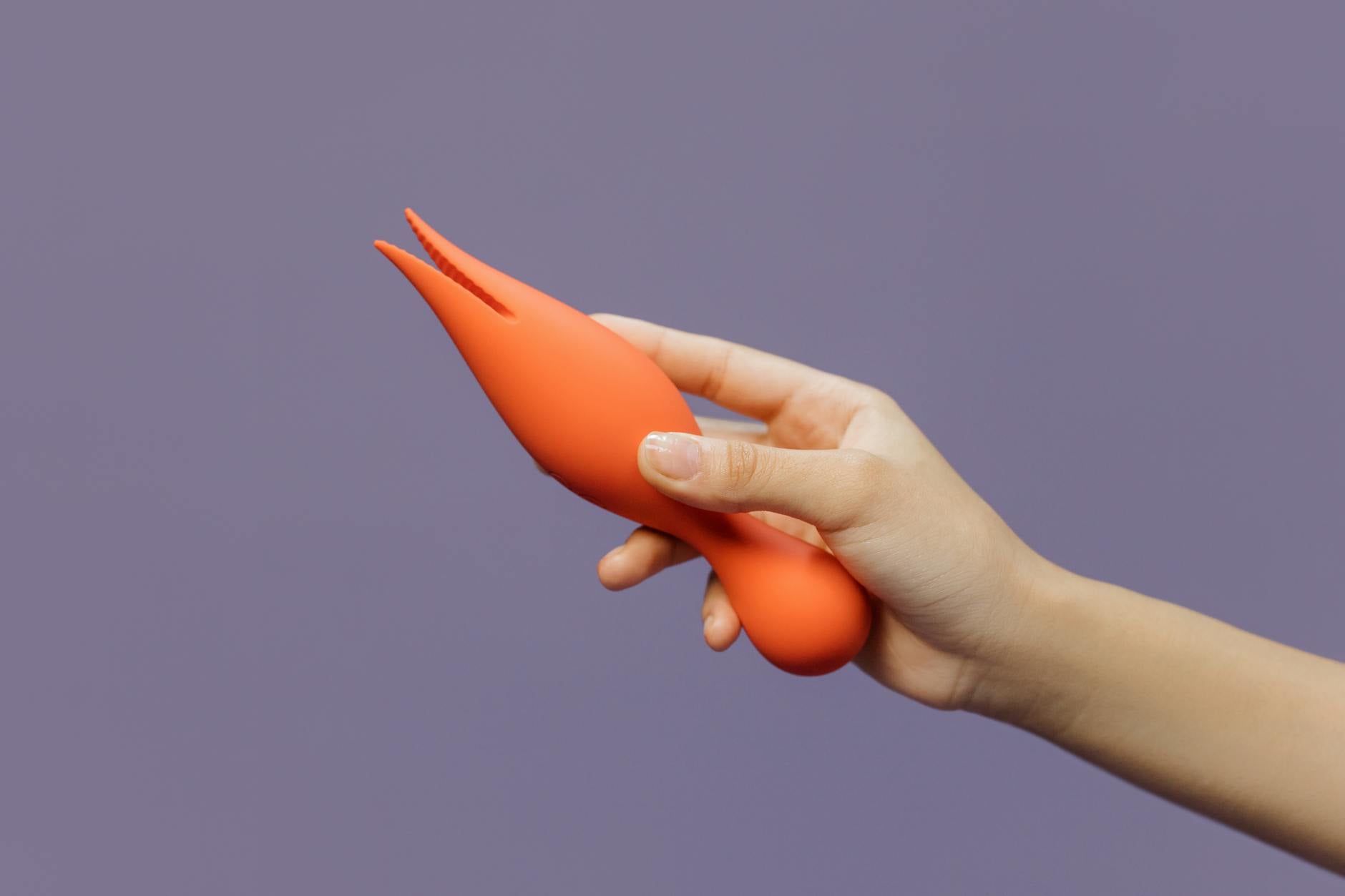
Photo by cottonbro studio on Pexels
Communication with a partner when medication changes things
If you're in a relationship, the medication conversation gets more complex. A partner might interpret low desire as low interest in them. It's not. But you have to say that directly, repeatedly, and with specificity.
Instead of "I'm just not feeling it right now," try "My medication affects how quickly arousal builds. I want to have sex with you. I also need more time and a different kind of touch right now." That statement is honest about the problem without making it about your partner's desirability.
Show them the Lem or whichever tool you're using. Use it together. A partner watching you respond to suction when you've seemed flat for months often gets it immediately. They're not being replaced. They're being joined.
The timeline for adjustment
Most medication-related sexual side effects stabilize or improve after 8 to 12 weeks on a new drug or new dose. This isn't universal, but it's the pattern. If you're two months in and still completely flat, the timeline is probably longer or the particular medication might not be a fit for you.
In the interim, a lemon clitoral vibrator bridges the gap. It keeps you connected to pleasure even when medication has dampened it. And when sensation does start to return (which it often does), you've still got a tool that works really well.
One more thing
Your medication is keeping you alive or functional or sane or all three. That matters more than having the orgasms you remember. You're not settling by using a lemon sucker to access pleasure right now. You're being practical and honest about your body. And honestly? That's the exact mindset that leads to better sex, medicated or not.
People also ask
Can I use a lemon vibrator if I'm on birth control?
Absolutely. In fact, many people on hormonal birth control find that suction-based stimulation works better than vibration because it engages different nerve pathways. The flatness you might feel on birth control doesn't mean your clitoris is broken. It means your baseline testosterone is lower. A lemon clitoral vibrator can help bridge that gap. Start with lower intensity settings since sensitivity may be reduced.
Does SSRIs make it impossible to orgasm with a lemon vibrator?
No, but it often makes it take longer and feel less intense. SSRIs slow orgasm and sometimes flatten the sensation of climax, but they don't eliminate the capacity entirely. A lemon vibrator's suction mechanism often works better than vibration when you're on an SSRI because it creates a pulling sensation rather than a buzzing one. Your brain might need more time to reach arousal, but you can still get there. Patience and extended warm-up time matter more than tool choice.
What if my medication is the problem but I can't switch?
Talk to your doctor about options that don't involve stopping the medication. Sometimes lowering the dose slightly helps without losing the therapeutic benefit. Sometimes taking it at a different time of day makes a difference. Sometimes adding a second medication like buspirone can counteract sexual side effects. And in the meantime, a lemon clitoral vibrator designed with suction technology can help you access pleasure even when medication has muted sensation.
How long until sensation comes back after starting medication?
It varies wildly. Some people notice sexual side effects fade after 6 to 12 weeks. Others find they persist or never fully go away. If you hit the 12-week mark and you're still completely flat, bring it up again with your prescriber. There might be a better fit. In the meantime, a tool like the Lem lets you keep experiencing pleasure without waiting for your body to recalibrate.
Can I use lubricant with a lemon suction vibrator?
Not much. The suction mechanism relies on creating a seal against skin. A little water-based lube on the outside of the toy can help it glide against your skin, but too much will break the seal and the toy won't work. Start dry or nearly dry. If you need additional lubrication for comfort, apply a small amount beforehand, not during use.
Should I try a lemon vibrator before talking to my doctor about medication side effects?
Yes. And then talk to your doctor anyway. Using a lemon clitoral vibrator can help you understand whether the flatness you're experiencing is purely medication-related or if there are other factors (stress, relationship dynamics, depression, general exhaustion) at play. Some people find that once they can access orgasm again with a tool, their overall desire starts to climb. Others find a tool helps, but medication adjustment is still necessary. Either way, you get useful information.
Sources
Understanding medication-sexual side effects:
- American Psychiatric Association. (2013). Diagnostic and Statistical Manual of Mental Disorders (5th ed.). Arlington, VA: American Psychiatric Publishing.
- Clayton, A. H., & Montejo, A. L. (2006). The importance of diagnosing and treating antipsychotic-associated sexual dysfunction and other metabolic side effects. Journal of Clinical Psychiatry, 67(Suppl 6), 23-32.
Ovarian testosterone production and desire:
- Davis, S. R., Davison, S. L., Donath, S., & Bell, R. J. (2005). Circulating androgen levels and self-reported sexual function in women. Journal of the American Medical Association, 294(1), 91-96.
Medication timing and sexual side effects:
- Rothmore, J. (2020). Antidepressant-induced sexual dysfunction: A narrative review of relapse and recurrence research. Therapeutic Advances in Psychopharmacology, 10, 2045125320942691.
Your pleasure matters, even on medication. If you want to talk through options or need more specific guidance on your situation, reach out to Hello Nancy.