Here's the thing nobody talks about enough
Antidepressants save lives. They also sometimes flatten pleasure in ways that feel almost cruel when you're finally feeling mentally stable enough to want your life back. SSRIs, SNRIs, tricyclics—they work by changing how your brain processes signals, and sensation is one of those signals. You're not broken. Your nervous system is doing exactly what the medication designed it to do. It's supposed to be there.
But you didn't take this medication to lose sex entirely. You took it to be alive. The two aren't the same thing, and accepting that one has to eliminate the other is a trap.
Here's what I've learned from working with hundreds of people navigating this exact friction: medication-induced numbness responds differently than other types of low sensation. It's not about needing more time or better communication with a partner—though those help. It's about working with how your brain is actually processing input right now, and using tools designed for this specific situation. Lemon clitoral vibrators, particularly those using air-suction technology like the Lem, work exceptionally well here because they bypass the traditional friction-based stimulation that requires normal sensation to register.
Why antidepressants affect sensation in the first place
Most sexual side effects from antidepressants come from the same mechanism that makes them effective: they increase available serotonin and norepinephrine in your brain by blocking reuptake (that's why they're called reuptake inhibitors). Serotonin influences arousal, orgasm, and genital blood flow. Norepinephrine affects excitement and muscle tension. When your brain has more of both, some people feel better. Others feel like they're watching their own body from behind thick glass.
The medical term is anorgasmia or hypoorgasmia. The lived experience is more like: nothing's wrong, you're just not quite there, and it takes forever.
What's crucial to know: this is not permanent. It doesn't mean your brain is broken or that you're broken. It means your current neurochemistry needs a different approach to pleasure than your pre-medication nervous system did. That's fixable.
The mechanism that makes lemon vibrators different
Most vibrators work through rapid oscillation—essentially, they shake against tissue fast enough that your nerves register stimulation. This works fine when sensation is normal. When it's muted, you need more sensation, which can mean higher intensity, longer sessions, or both. That works, but it's exhausting and can numb you further.
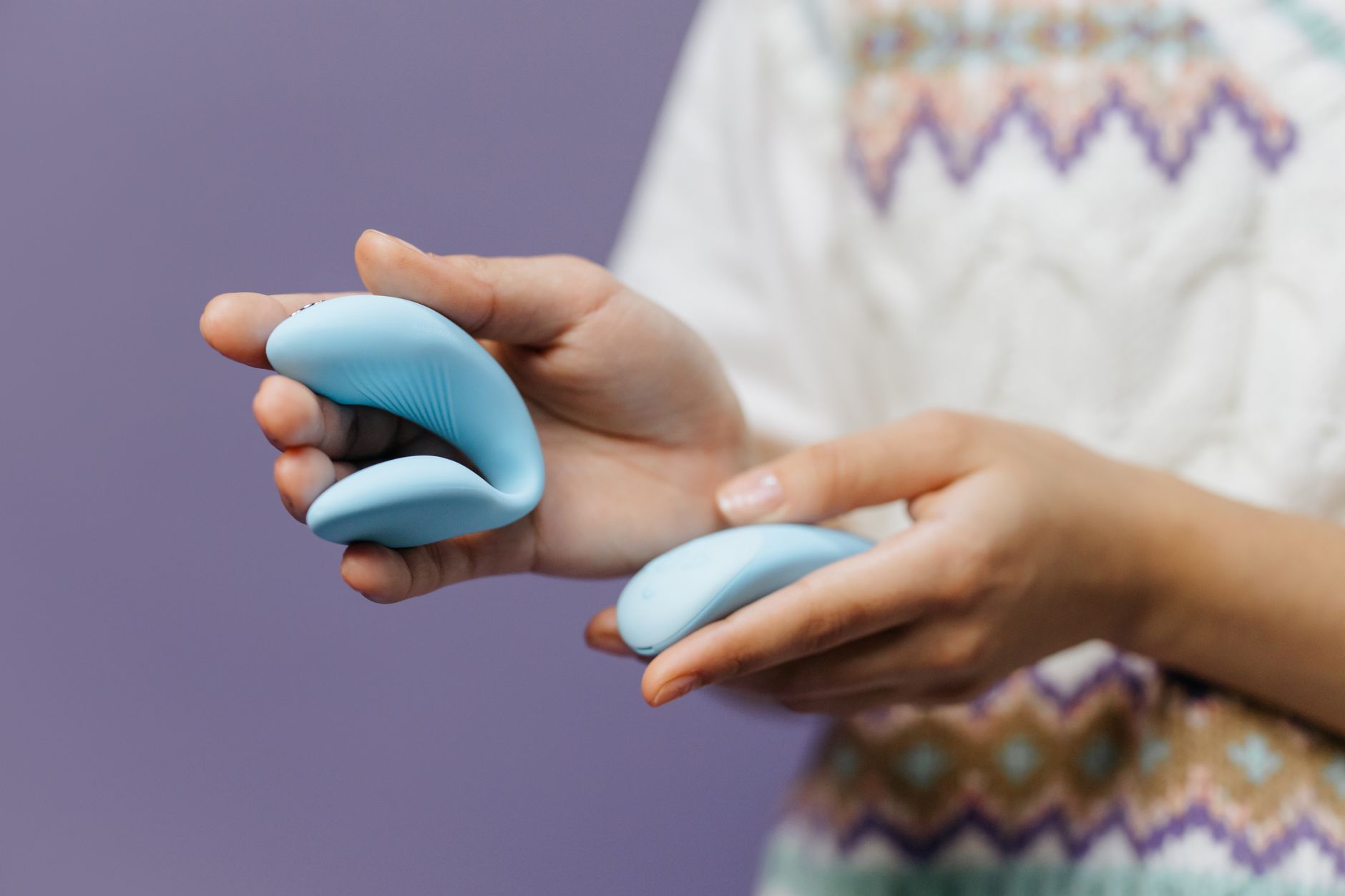
Air-suction technology—like you'll find in the Lem and other lemon clitoral vibrators—operates on a different principle entirely. Instead of vibrating, they create a gentle suction that stimulates the entire clitoral structure, not just the surface. This recruits more nerve endings at once and creates a unique sensation pattern that your brain reads differently than traditional vibration. People on SSRIs and similar medications consistently report that suction-based stimulation cuts through the numbness in ways standard vibrators don't.
It's not magic. It's neurology.
Practical setup: how to actually use this
If you've never used air-suction before, start on the lowest setting. Seriously. Your sensation might feel muted, but your nerves aren't damaged—they're just being dampened by your medication. That means they can still be overstimulated. Paradoxically, your best path to stronger sensation is starting lower, not higher.
Budget 20-30 minutes for your first session. Medication-induced numbness means arousal takes longer to build. That's not a sign something's wrong. It's just the timeline you're working with right now. Foreplay, reading something that interests you, fantasy, whatever gets your mind engaged—do that first. Your brain is part of this equation, and when your medication is affecting sensation, mental arousal becomes even more important.
Use water-based lubricant. Air-suction works best with at least a light layer. It helps create the seal and makes the sensation more even.
Start at pattern 1 or 2. Move up slowly. The point isn't to feel like you did before medication—that's not the goal. The goal is to find sensations that register now and build from there.
When to talk to your prescriber
I want to be direct here: if your antidepressant is working well for your mental health, don't stop taking it or lower your dose without medical supervision, even if the sexual side effects are frustrating. That conversation needs to happen with your doctor, not in isolation.
What you can do: tell your prescriber specifically what's happening. Don't say "sex is hard." Say "I notice sensation has flattened, particularly with genital touch, and it takes significantly longer to reach orgasm." Specificity helps because your doctor might suggest timing adjustments (taking the medication at a different time), a small dose reduction (sometimes viable), augmentation (adding a second medication to counteract this effect), or switching to an alternative antidepressant known for fewer sexual side effects.
Bupropion, for example, actually tends to enhance sexual function rather than dampen it. If you're on an SSRI and struggling, it's worth asking if a switch is possible. Buspirone is sometimes added as an augmentation. These aren't band-aids. They're legitimate medical adjustments that many people benefit from.
Working with partners during this transition
If you're with someone, this is a partnership problem, not your problem alone. When sensation is muted and arousal takes longer, it's easy for both of you to internalize it as a relationship issue when it's actually a medication issue. That confusion kills intimacy faster than the numbness itself.
Here's what helps: separate the conversations. One conversation is about your body and medication. That's not about them. Another conversation is about what you both want sexually and how to make that work with your current reality. How to Use a Lemon Vibrator When You Want Deeper Connection With Your Partner walks through this specifically. The point is: your partner isn't waiting for you to feel normal again. They're adapting to who you are right now, which is a person managing mental health through medication.
Your pleasure matters. So does your mental stability. Both can coexist.
The timeline is not linear
Some people find that after a few months on a stable dose, sensation starts returning naturally. Others find it stays fairly consistent. Some discover that lemon clitoral vibrators plus medication becomes their new normal and they're completely satisfied with that. There's no "right" timeline.
What matters is that you're not waiting passively for sensation to return while your sex life atrophies. Using tools designed for low sensation now—whether that's air-suction vibrators, a patient partner, longer sessions, or mental foreplay—means you're actively maintaining intimacy and pleasure while your brain adjusts to medication. That maintenance is often what makes the difference between reconnecting with pleasure if sensation does return, versus feeling completely disconnected from it.
A note on SSRIs vs other medications
If you're on a different class of antidepressant—tricyclics, MAOIs, atypicals like mirtazapine or bupropion—sexual side effects vary widely. Mirtazapine sometimes increases appetite for sex. Bupropion often does. Tricyclics can go either way. If you're struggling with sensation and you're not on an SSRI, the conversation with your prescriber might be different. There might be more room to adjust without changing medication class entirely. But the practical strategies here—longer sessions, lemon vibrators, setting aside mental space for arousal—work regardless of what you're taking.
FAQ
Can I use a lemon vibrator while taking antidepressants?
Completely yes. There are no drug interactions between antidepressants and vibrators of any kind. What changes is how your body responds to stimulation, which is exactly what lemon clitoral vibrators are designed to work around. You might find traditional vibrators less effective and air-suction more effective. Start low and adjust from there.
Will using a lemon vibrator help my antidepressant work better?
No. Your medication is working on your neurotransmitters. A vibrator is external stimulation. They're separate systems. What a vibrator does is help you access pleasure despite medication side effects. That can improve mood and connection, which are good things, but it's not treating depression itself. Keep taking your medication as prescribed.
How long does it take to feel sensation again after starting medication?
It varies enormously. Some people feel changes within weeks. Others plateau after a month or two. Still others find it takes 6-8 weeks of consistent dose before their body settles. If it's been longer than three months and you're still completely numb, that's worth discussing with your prescriber as a potential adjustment point.
Should I ask my doctor before using a lemon vibrator?
You don't need permission, but you might want to mention it if you're also discussing sexual side effects. Your doctor isn't going to be shocked. Sexual wellness is part of overall health, and antidepressants affect it. Having an open conversation about all the strategies you're using—including vibrators—helps your doctor understand the full picture of how medication is affecting you.
Are lemon vibrators better than other vibrators for medication-induced numbness?
Air-suction vibrators tend to work better than standard vibrators for this specifically because they stimulate more nerve endings at once and create a different sensation pattern. That said, some people find standard vibrators work fine once they adjust intensity and timing. Everyone's neurology is different. The Lem and similar lemon clitoral vibrators are a good starting point, but if they don't work, it doesn't mean nothing will.
What if nothing seems to help?
If you've tried longer sessions, lower intensity, partner communication, and lemon clitoral vibrators and you're still completely numb after 8-12 weeks, go back to your prescriber. This is genuinely one of the reasons doctors sometimes adjust medication. You deserve a mental health treatment that doesn't require sacrificing sexual wellness entirely.
The bottom line
Antidepressants are one of the most effective treatments we have for depression, anxiety, and trauma. They also sometimes make pleasure feel distant. Both things are true. Your job isn't to choose between them or to white-knuckle your way through numb sex. It's to take your medication, be honest with your doctor about what you're experiencing, and use tools—like lemon clitoral vibrators designed for low sensation—that let you maintain pleasure and intimacy while your brain adjusts.
Your mental health matters. Your sex life also matters. Get Lemon Vibrators exist because these don't have to be competing interests. If you're struggling with this, start with How to Use a Lemon Vibrator When You've Never Owned a Sex Toy Before or reach out to /contact if you have specific questions about which tool might work best for you.