The numbness no one warns you about
Honestly, no one really talks about this part. You get sick, or you start a medication that saves your life, and suddenly your whole body feels like it's behind glass. Not pain exactly. Just... distance. Like you're watching yourself from a few inches away.
That disconnect from pleasure is real, and it's not in your head.
What actually happens to sensation during illness and medication
Three separate systems are usually at play here, and they often overlap.
First, there's the direct physiological hit. Chemotherapy damages nerve endings. Long COVID causes inflammation that suppresses sensory signaling. Autoimmune flares dump inflammatory markers into your bloodstream that literally dampen nerve response. Certain pain medications (opioids especially, but also some anticonvulsants prescribed for chronic pain) work by dulling all signal transmission, not just the painful ones. That includes pleasure signals.
Second is the central nervous system layer. During active illness, your body prioritizes survival over sensation. Your parasympathetic nervous system (the one that handles arousal and pleasure) gets downregulated. Your brain is spending all its energy on healing, fighting infection, managing pain. There's nothing left for sex.
Third is the psychological piece. Months of pain or sickness rewires your relationship to your body. You stop trusting it. You stop wanting to feel anything, because feeling has meant hurting. By the time you're ready to try pleasure again, your nervous system doesn't know how to switch back on.
All three of these layers are fixable, but you have to work them separately.
Why sensation recovery takes patience, not just persistence
This is the part that frustrates people most. You want to jump back in where you left off. Your body is saying "let's go slow."
That friction kills most recovery attempts.
Rebuilding sensation is about training your nervous system to recognize and trust pleasurable input again. That's a gentler process than just "turning up the intensity." Think of it less like flipping a switch and more like slowly adjusting your eyes to a dark room. Your pupil needs time to dilate.
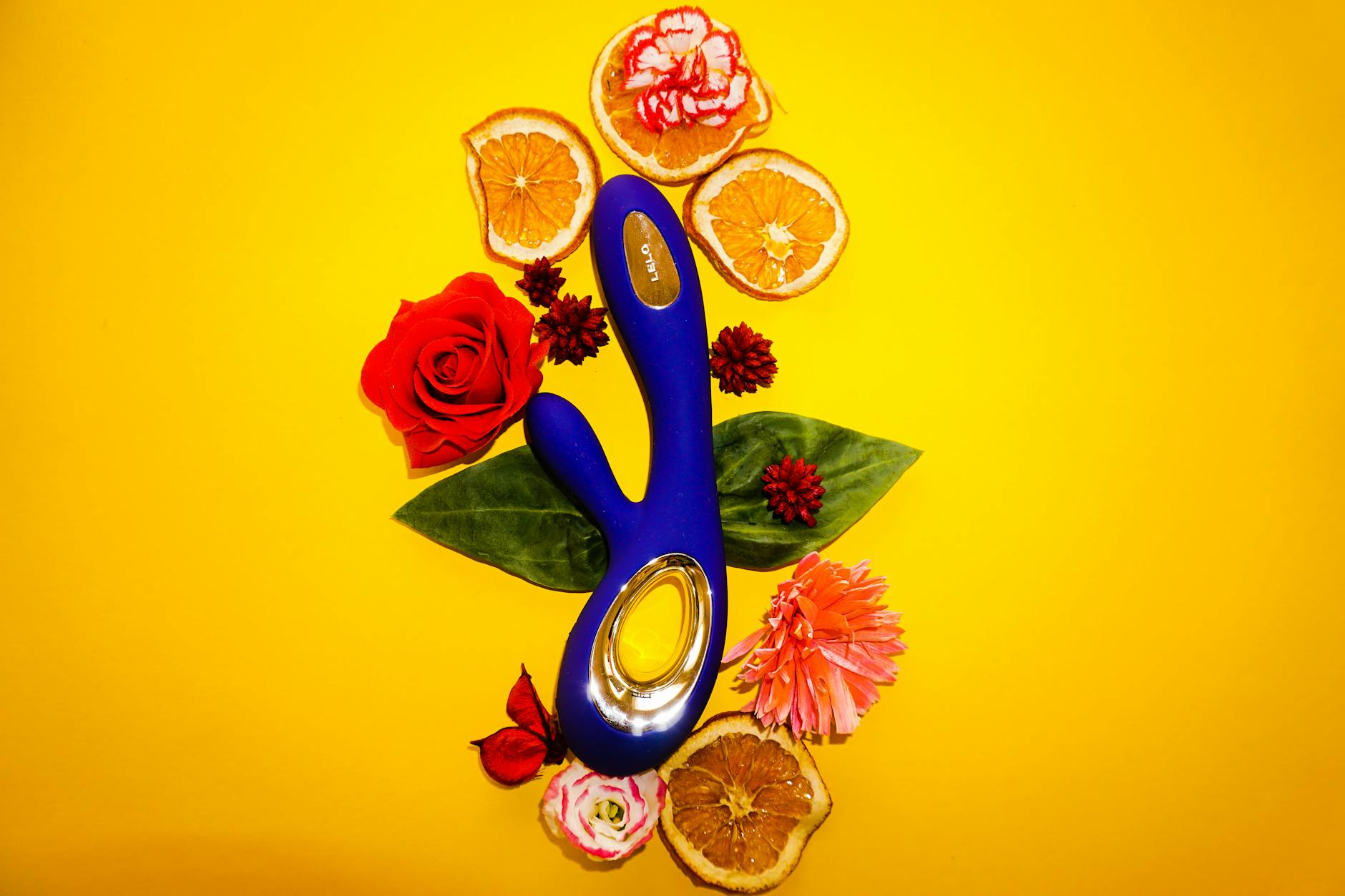
A lemon clitoral vibrator is actually ideal for this because it gives you precise, consistent stimulation without the variability of fingers or a partner's touch. You're not negotiating pressure or rhythm. You're just receiving. That consistency is what allows your nervous system to build a pattern and trust it.
Starting: the first three weeks
Do not skip this. This is the foundation.
Week one: sensation mapping without arousal. Spend 5-10 minutes, two or three times a week, exploring different parts of your body with the lemon vibrator at its lowest setting. Not your genitals yet. Your forearms, inner wrists, the inside of your upper arm, your collarbone, your neck. Places that typically have nerve density but feel safer. Don't chase pleasure. Just notice what you feel. Some areas will feel almost nothing. Others will feel strange, or too intense, or just... meh. That's all data. That's all good.
Week two: same areas, same intensity, but add attention to your breath. Most people who've been through illness hold tension in their chest and jaw. You're trying to retrain your parasympathetic nervous system. Deep belly breathing (in through your nose for four, out through your mouth for six) genuinely shifts your nervous system state. Pair this with the vibrator. Breath first, then sensation.
Week three: bring the vibrator closer to your genitals, still at lowest setting. Inner thighs, the area above your vulva, anywhere except direct clitoral contact. Stay here until you notice that you're not bracing against the sensation anymore. Until it feels welcome instead of invasive.
Weeks four through eight: rebuilding responsiveness
Now you start introducing direct clitoral contact, but with a framework.
Set a timer for 20-25 minutes. Not because you need an orgasm by then (you might not, and that's not the goal), but because your nervous system learns through duration. Consistency matters more than outcome.
Start on pattern one or two (the lemon vibrator has multiple intensity levels; begin at the lowest). Your clitoral tissue has been dormant. Start soft. You can always increase intensity, but you can't un-overwhelm yourself. Overwhelm trains your nervous system to close down, which is the opposite of what you want.
Expect sensation to fluctuate wildly. One day it feels almost normal. The next day it feels like touching rubber. This is not failure. This is your nervous system recalibrating. Autoimmune flares, medication timing, stress, sleep, hydration all affect daily sensation. Track it matter-of-factly, like weather.
After 15-20 minutes at pattern one or two, you can try bumping up. If it feels good, stay. If it feels sharp or raw, go back down. The goal is not to reach the highest intensity. The goal is to find the intensity where you feel something pleasurable without bracing or tensing.
Notice when your body releases tension. At some point during the session, you'll notice your shoulders drop. Your jaw unclenches. Your breath deepens. That's your nervous system recognizing safety. Mark that moment mentally. That's what you're rebuilding toward. The ability to relax into sensation.
The partner conversation (if applicable)
If you're in a relationship, your partner probably feels this as absence too. The numbing doesn't just affect you. It affects the connection.
Here's what's important to separate: (a) your body is recovering, not rejecting them, and (b) recovering sensation alone first is not rejection either, it's practical medicine.
Many people rush to involve their partner because they feel guilty about the distance. That often backfires because now you're managing their feelings while also trying to rebuild your own sensation. That's too much.
Try this instead: "I'm doing some work to help my body remember how to feel pleasure. I'm using the time alone intentionally. This is about me healing, not about you. When I'm ready to involve you, I'll let you know, and I want to start slowly with specific things."
If your partner has needs in the meantime, that's a real conversation. But it's separate from your recovery. Don't compress them.
When medication is the culprit
Some drugs (certain SSRIs, some blood pressure medications, opioids) genuinely suppress sensation as a side effect. If you're on one of these, you have three options.
First: talk to your prescriber. Sometimes there's an alternative medication in the same class with fewer sexual side effects. Sometimes the dose can shift. Sometimes you don't have options and the medication matters more than sex right now. That's a real choice to honor.
Second: work around it. A lemon vibrator's air-suction technology can sometimes penetrate the numbness better than traditional vibration because it works through a different neurological pathway. Start with low pressure and build gradually.
Third: recognize that this is temporary. You might eventually be able to taper or switch. In the meantime, building sensation work now (even if progress is slower) means you have skills and knowledge for when the medication does change.
The long game: when does sensation come back
That depends on what caused it. Post-chemotherapy nerve damage can take 6-18 months to fully resolve, sometimes longer. Long COVID fatigue can linger for years. Medication side effects might disappear within weeks of discontinuing, or might take months. Autoimmune inflammation responds to flares and remissions.
There's no straight line. Your job is not to get back to baseline as fast as possible. Your job is to build a relationship with sensation that doesn't require a return to "normal" to be valuable.
Many people who do this recovery work report that their pleasure actually deepens after. You've learned how to receive sensation intentionally. You've gotten reacquainted with your body's signals. You've built patience and attention. Those are not small things.
When to reach out for support
If after eight weeks of consistent practice you're not noticing any shifts, or if you're feeling increasingly frustrated or disconnected, this might be a moment to talk to a sex therapist or somatic practitioner. Sometimes there's a trauma layer under the numbness that needs professional support to process. That's not failure. That's using the right tool.
Similarly, if your numbness is getting worse rather than slowly improving, your prescriber needs to know. It could be a signal that your underlying condition is changing.
FAQ: Sensation recovery and lemon vibrators
How long should I wait after being diagnosed with an illness before trying to rebuild pleasure?
If you're in active treatment, wait until your medical team gives you clearance for sexual activity. If you're recovering and have clearance, you can start gentle sensation work anytime. You don't need to wait until you feel "normal." In fact, waiting often makes the disconnect deeper. Starting early and starting slowly is usually better than waiting and then pushing hard.
Can using a lemon clitoral vibrator too much slow down my sensation recovery?
Not if you're using it intentionally. The risk is using it as a Band-Aid to chase orgasms you can't have, which just frustrates you and trains your nervous system to stay tense. But consistent, gentle practice with the goal of rebuilding sensation? That's retraining, not overuse. Think of it like physical therapy. You use the tool regularly because that's how the nervous system learns.
What if medication makes sensation impossible right now, but I might change medications later?
Start now anyway. You're building nervous system capacity that will transfer. When the medication changes, you won't be starting from zero. You'll have already done months of training about how to receive pleasure, breathe into sensation, recognize your body's signals. That skill carries forward.
Is it normal for sensation to feel different than it did before illness?
Completely normal. Your body has changed. Your nervous system has changed. The sensation you rebuild might be quieter, or in different places, or require different patterns than before. That's not worse. That's just different. You're not trying to clone the past. You're discovering what your body can do now.
How do I know if my reduced sensation is medication-related versus trauma or psychology related?
Honestly, both are usually at play. Medication changes your physiology. Illness changes your psychology and your relationship to your body. Rather than trying to isolate them, work with both. The sensation mapping and intentional practice addresses the nervous system piece. If you notice that you're having thoughts like "I don't deserve pleasure" or "my body is broken," that's where talking to a therapist can help. Both matter.
Should I try a different kind of vibrator if the lemon vibrator isn't working after a few weeks?
Before you switch tools, make sure you're actually giving it enough time and consistency. Sensation recovery is slow. But if after six to eight weeks of twice-weekly practice you're still feeling nothing, trying a different stimulation pattern might help. Some people find that the suction of a lemon clitoral vibrator works better than traditional vibration for sensation recovery. Others need something with different patterns or intensity ranges. There's no one-size answer. But give the tool at least six weeks before deciding it's not working.