Let's start with what's actually happening
Your partner won't talk about sex. Not because they don't care. Not because they're happy with what you have. They won't talk about it because somewhere along the way, sex became a minefield. Maybe they grew up in a household where desire was shameful. Maybe a past partner made them feel inadequate. Maybe they're just scared of disappointing you or being disappointed themselves.
The conversation feels too big. Too vulnerable. Too risky. So they don't start it. And the longer it goes unstarted, the heavier it gets. A lemon vibrator won't fix that fear on its own. But it can sidestep the conversation entirely and create something better. An invitation instead of an interrogation.
Why the silence exists (and why it's not personal)
Most people who avoid sex talk aren't rejecting their partner. They're protecting themselves. In my practice, I see this pattern constantly. One person wants to discuss pleasure, frequency, desires. The other person goes quiet, deflects, or changes the subject. This isn't laziness. It's usually shame, anxiety, or a learned belief that "good partners" don't need to ask for what they want.
Here's the thing that changes everything. A vibrator isn't an accusation. It's not "you're not enough" or "I need something different." It's a tool that enters the room without judgment. It says "this is about exploration" instead of "we have a problem." That shift in framing is everything.
How to introduce it without triggering defensiveness
Timing matters more than the words. Don't bring this up during sex or right before it. Don't hand them a toy and say "I need you to use this." That feels like failure to someone already anxious about sex.
Instead, pick a quiet moment. Not the bedroom. Not during conflict. Say something like: "I found something I want to try together. Not instead of anything. Just as an experiment." That's it. No justification. No explanation of what they're doing wrong.
Many people who avoid sex talk are also people-pleasers. They'll agree to something because they don't want to disappoint you. That's not the goal. The goal is genuine curiosity, not compliance. If they seem hesitant, pause. Say: "This is low pressure. We can try it whenever, or not at all." Mean it.
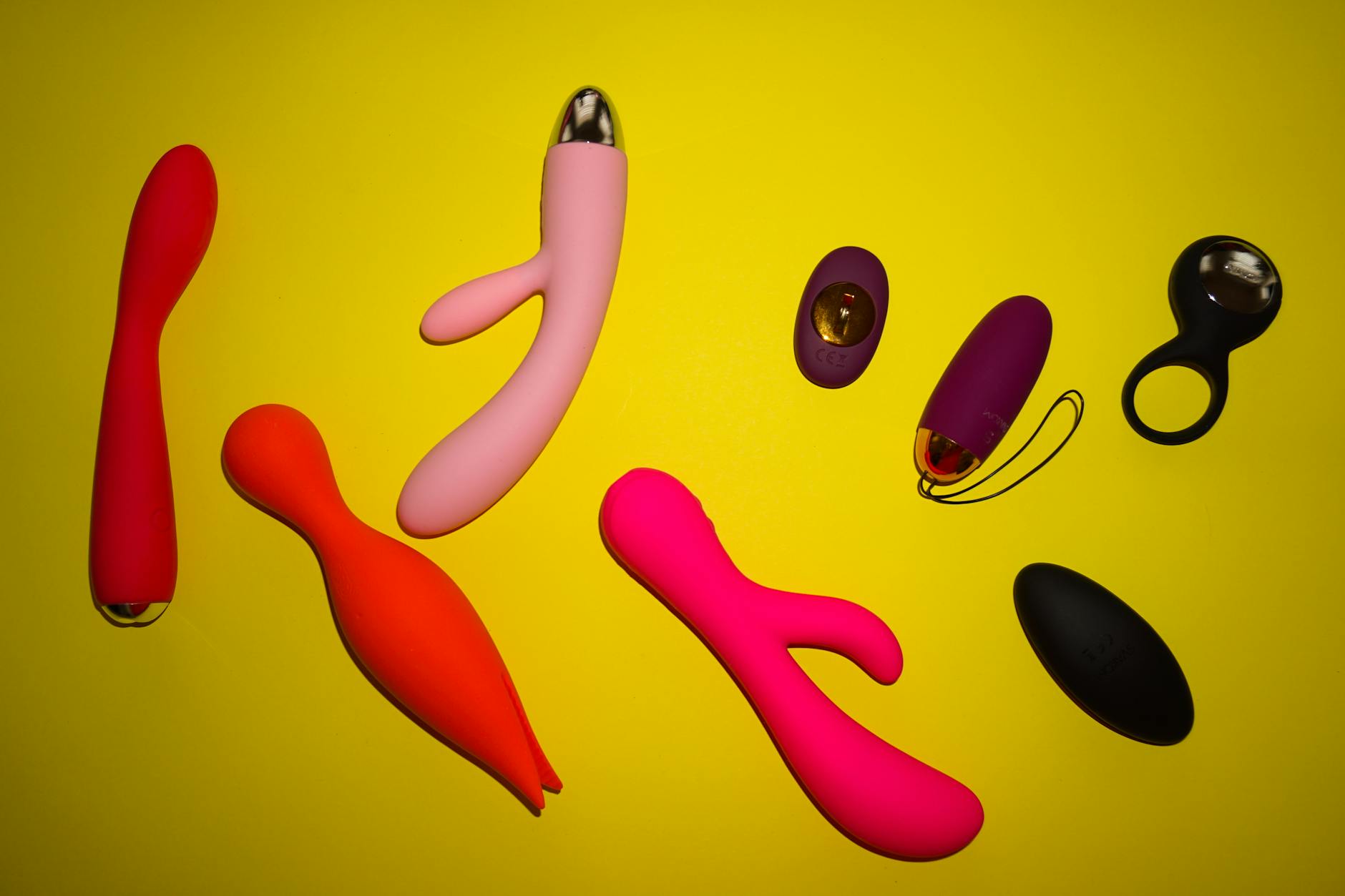
A lemon clitoral vibrator like the Lemon Vibrator ($89) is less intimidating than some alternatives because its design is elegant, not clinical. It doesn't scream "ADULT TOY." It looks like something that could sit on a shelf. That small difference reduces shame for partners who are already wound tight.
The first time you actually use it together
Let them set the pace. If your partner is someone who avoids sex talk, they're probably also someone who experiences performance pressure. The worst thing you can do is create more pressure by having it be "perfect." You want it to feel playful, not like a test.
Start with clothes on. Use it on yourself first while they watch. This does two things. One, it removes the spotlight from them. Two, it normalizes the toy. You're not handing it over and disappearing. You're showing them it's not scary.
Then ask: "Want to try?" Low stakes. No judgment if they say no. If they do, let them control it. Settings, speed, intensity. All their choice. For partners who avoid control conversations, having literal control over the device can be grounding.
The lemon sucker technology uses gentle suction instead of vibration, which feels less intense for people who are tense. Partners who carry anxiety in their body often respond better to suction than direct vibration. It's less aggressive. Less demanding.
What actually changes after you've used it once
You've now created a shared experience without words. That's huge. You've said "pleasure matters" through action instead of argument. And here's the thing that surprises most people. Once the toy has been in the room, the conversation becomes smaller. Less charged.
You can say things like: "I liked when you used the setting on medium" or "Want to use it again next week?" These are functional conversations, not emotional ones. For someone terrified of sex talk, functional is the entry point.
Many partners who avoid discussing sex will start asking questions once the tool is introduced. "Does this feel good?" "What setting do you prefer?" Not because they suddenly became chatty. But because the toy gave them a script. A way to ask care questions without it feeling like a relationship therapy session.
Using it to eventually have the bigger conversation
Over time, the toy becomes a bridge language. You're not asking "How do you feel about our sex life?" You're asking "Should we try the lemon vibrator tonight?" The bigger conversation becomes a series of smaller ones.
When your partner is ready, they might open up. You'll notice it. Maybe they ask about different settings. Maybe they suggest using it at a different time. Maybe they ask you questions about what feels good. These are all tiny conversations leading somewhere. Don't rush it.
For partners with deep sex shame or anxiety, the talking part might always be hard. That's okay. The point was never to force verbal intimacy. The point was to create physical and emotional safety. A lemon clitoral vibrator does that.
What if they still resist
Some partners will say no. They'll be uncomfortable. They might get defensive. "I'm enough for you." "You don't need that." "That's not what we do."
That's not an invitation to push. That's a boundary, and respecting it matters more than anything else. What you do have is information. Your partner is scared enough to resist. That means the conversation isn't about the toy. It's about why sex feels unsafe to them.
That's where a couples therapist becomes valuable. Not because there's something wrong with your relationship. But because a trained mediator can help someone who's anxious about sex talk feel heard without judgment. They can help your partner understand where the fear comes from.
In the meantime, use the lemon vibrator for yourself. Your pleasure matters whether or not your partner watches. That's not selfish. That's boundary-setting. Partners who see you prioritizing your own pleasure without demanding they participate often become more curious over time. Not because they suddenly care. But because your confidence is attractive.
The real win here
The goal isn't to fix your partner or force a conversation. The goal is to create safety. A lemon vibrator, used thoughtfully, does that. It says "this is normal" instead of "we're broken." It lets your partner maintain some dignity while moving toward intimacy. And it gives you both permission to prioritize pleasure without shame.
That's not a small thing. That's the whole foundation.