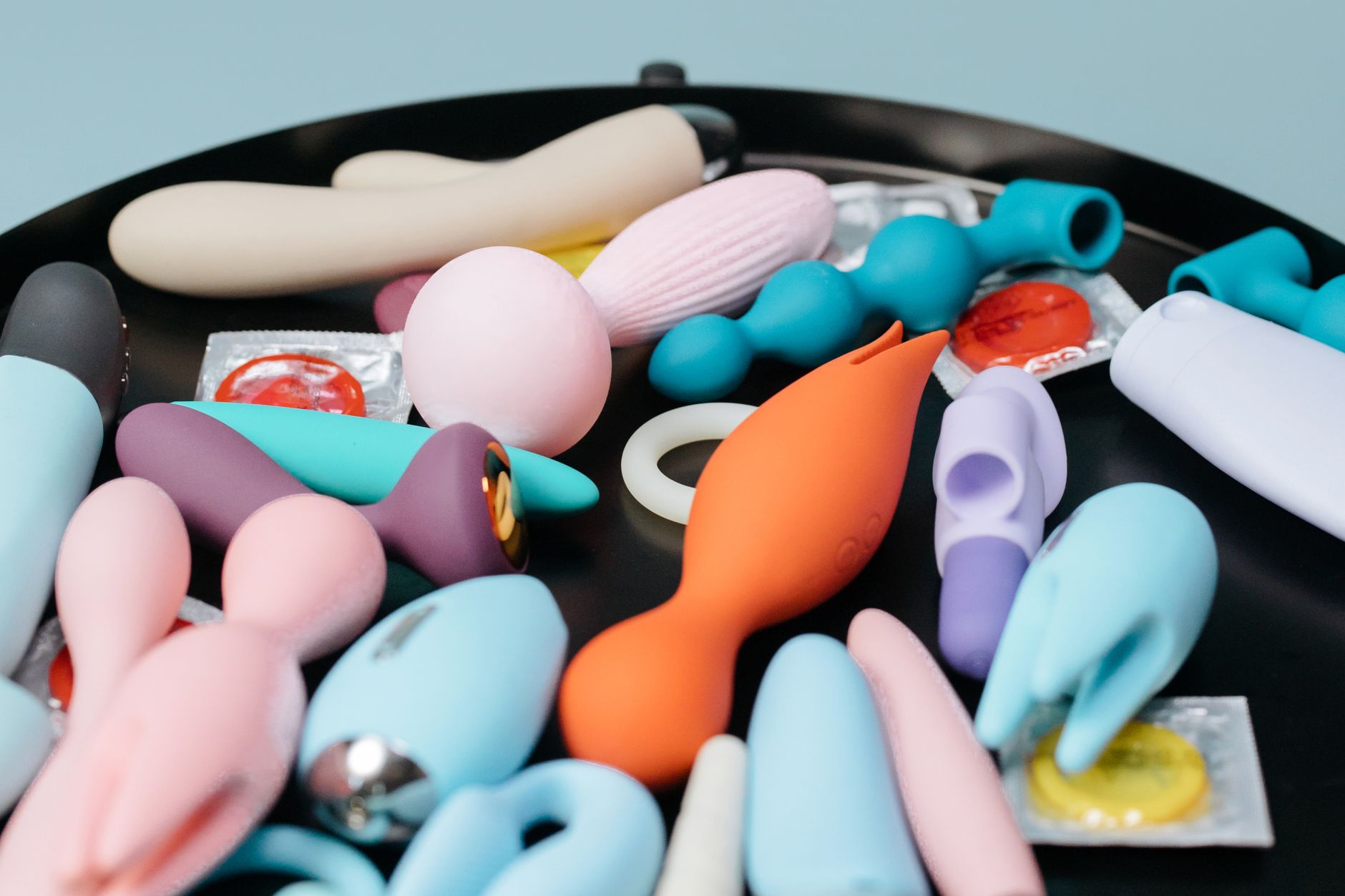
Here's the thing about pelvic floor therapy
It's genuinely life-changing. But nobody warns you that "healed" doesn't feel the same as "before." Your pelvic floor has been relearned. Your nervous system is recalibrating. The tissues have memory of work. And if you're trying to jump back into pleasure the way you used to experience it, you're likely to hit a wall that feels discouraging.
I work with people through this transition all the time. The good news. Your capacity for pleasure is still there. You just need to rebuild the bridge to it.
Why sensation feels different after PT
During pelvic floor therapy, you learned to relax and engage muscles that had been locked in tension for years, maybe decades. Your therapist rewired your nervous system's relationship to that area. This is healing. It's also a complete reset.
Your nerve endings are more awake now. That hypersensitivity often fades, but in the early weeks and months post-therapy, light touch can feel almost too much. Heavy pressure, by contrast, can feel numb or distant because you're no longer compensating with clenched muscles.
Tissue quality changes too. Scar tissue softens. Blood flow improves. The whole landscape feels unfamiliar because it literally is.
The first rule: slower than you think
Your impulse will be to test drive everything immediately. Resist it. Your pelvic floor is still learning that pleasure and relaxation can coexist. If you shock it with intensity, it can tense back up. That defeats months of work.
Start with the lowest setting on your lemon clitoral vibrator. Pattern 1 or 2. Spend time here even if it feels underwhelming. You're not chasing the orgasm yet. You're teaching your nervous system that sensation plus relaxation equals safety.
Most people need 2-4 weeks at low intensity before anything else makes sense. That timeline varies wildly depending on what you were treating (vaginismus, hypertonic pelvic floor, pain with penetration, etc.), so check with your therapist about their specific recommendations for you.
Lubrication becomes non-negotiable
You might have used lube before PT and skipped it after. Don't. Even if your body produced plenty of natural lubrication pre-therapy, the tissue sensitivity that follows pelvic floor work means you want a buffer. Water-based lube (never silicone with silicone toys) reduces any remaining friction sensation and lets you focus on pleasure instead of mild discomfort.
Apply more than you think you need. Seriously. Rebuilding pleasure is not the time to skimp.
Positioning and pacing
After PT, many people find that their usual positions feel weird or uncomfortable. Your newly relaxed pelvic floor might prefer different angles. Lying flat on your back tends to work better than sitting upright early on. Gravity matters more now.
Rest between sessions. If you use your lemon vibrator one day, take the next day off unless you're just experimenting briefly. Your nervous system is still relearning, and it benefits from processing time.
The mental piece (honestly the bigger one)
Pelvic floor therapy often treats physical dysfunction rooted in emotional stories. You held that tension for a reason. Maybe pain made sex scary. Maybe perfectionism made you clench. Maybe anxiety made your body contract. Healing the muscle is 40 percent of the equation. Rewiring the belief about your body is 60 percent.
When you restart with a lemon clitoral vibrator or any tool, you're not just testing physical sensation. You're testing whether your brain believes you deserve this now. A lot of people sail through PT, start touching themselves again, and get hit by a wave of guilt or weirdness.
That's grief. You're saying goodbye to the version of your body that needed this healing and hello to the one that didn't. It's worth noting. But it passes.
Common hiccups and how to navigate them
If you feel tingling or numbness, stop and rest for a day. That's your nervous system still adjusting. It's not damage. But it's a sign you went too intense too soon.
If orgasm feels distant or different, that's normal. The reflex is still there, but the pathway has changed. How to Use a Lemon Vibrator When Arousal Takes Longer to Build covers this in depth if you want tactics.
If you feel ashamed or weird about pleasure, talk to your therapist about it. They can help you untangle whether this is nervous system chatter (normal) or something deeper that needs processing.
If you're using a lemon vibrator with a partner, they need to understand the timeline too. How to Use a Lemon Vibrator When Your Partner Feels Intimidated addresses that dynamic specifically.
When to nudge intensity forward
After 3-4 weeks, notice if you're actually enjoying yourself or just going through the motions. If you're genuinely present and the sensations feel good, try pattern 3 or 4. One level up.
If low intensity still feels too much or you're not connecting with pleasure, that's data. Some people benefit from talking to their pelvic floor therapist about desensitization exercises you can do between vibrator sessions. You're not broken. You're still calibrating.
Rebuild on your timeline, not anyone else's. I've worked with clients who took eight weeks to feel ready for higher intensity. I've worked with others who felt ready in two. Both are right.
The long game
Pelvic floor therapy is an investment in years of better sensation, not just weeks of healing. Once you're through the recalibration phase (usually 4-6 weeks), orgasms often feel fuller, longer, and more nuanced than they did before. That's because you're not fighting your own muscles anymore.
A lemon sucker vibrator like the Lem works particularly well post-PT because suction doesn't require the same kind of direct pressure that can overwhelm healing tissue. The sensation is gentler and more diffuse while still being intense enough to build real pleasure.
People also ask
How long after pelvic floor therapy can I use a vibrator?
Most physical therapists recommend waiting until you've completed at least one full week of therapy and have clearance from your PT. If you were treating pain during sex, you might wait longer (2-3 weeks). Always ask your specific therapist. The timeline depends on what you were treating and how your body is responding.
Can using a lemon vibrator undo my pelvic floor therapy?
No, not if you're following the slow rebuild. Your therapist taught your muscles new patterns. One session with a vibrator won't erase that. What can happen is re-tensioning if you go too hard too fast and your nervous system panics. Which is why the low-and-slow approach matters.
Is it normal for orgasms to feel different after pelvic floor therapy?
Completely. Your nervous system has been retraining. The reflex is the same, but the pathway is new. Orgasms after PT are often more localized to the clitoris or feel more in waves rather than a spike. Both are signs of normal healing, not dysfunction.
Should I use a lemon vibrator alone or with my partner first?
Start solo. You need to relearn your own body without anyone else's expectations. Solo exploration with a lemon clitoral vibrator lets you find what feels good now, without worrying about performance or whether your partner is enjoying it. Partner play can come later.
What if I feel no sensation even on the highest setting?
That's actually common in the first 4-6 weeks post-PT. Your nerve endings have calmed down after being inflamed or irritated. Sensation usually returns gradually. If it's been more than 8 weeks and you're still feeling very little, check in with your pelvic floor therapist. Sometimes additional PT sessions help.
Can I use a lemon vibrator if I still have some pain after therapy?
If the pain is mild residual soreness, usually yes, at very low intensity with plenty of lube. If the pain is sharp or like the original problem, stop and talk to your therapist. You might need a few more sessions or a different approach before vibrators make sense.
Pelvic floor therapy gave you your body back. Now it's time to actually enjoy it. Start slow, trust the process, and remember that rebuilding pleasure is exactly that. A rebuild. Which means it gets better every week.