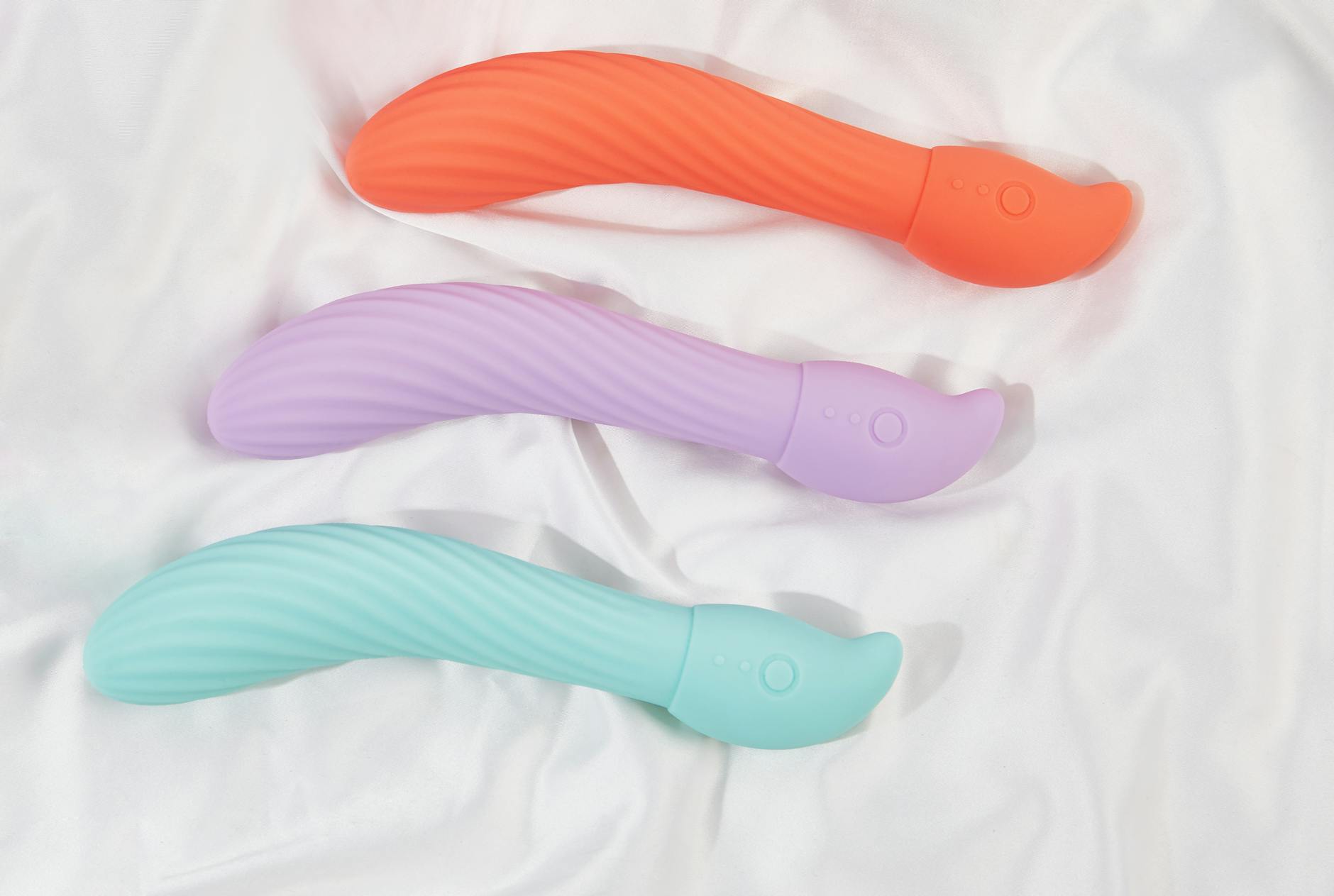
Let's talk about the gap
Months go by. Then a year. Then longer. Life happens. Kids, work stress, health stuff, grief, resentment that nobody talked about. One of you stops initiating. The other stops asking. And somewhere along the way, the physical part of your relationship just quietly closes its doors.
That gap is real. And it's not something you fix with a toy alone.
Here's what I see in my practice: couples who want to rebuild intimacy often assume the problem is physical desire, so they buy a vibrator hoping it'll restart the engine. The vibrator is helpful. But it's not the engine. The engine is trust, communication, and mutual willingness to be vulnerable again. The lemon clitoral vibrator just makes the work easier.
Let me show you how.
Why reintroduction is different from starting fresh
If you're bringing a lemon vibrator into your relationship after time away from physical intimacy, you're not starting fresh. You're rebuilding. That means there's history. Maybe good history, maybe complicated history, maybe both.
What you're actually doing is three separate things at once: reconnecting physically, rebuilding trust in vulnerability, and creating new permission for pleasure. A toy can facilitate that. But it can't replace the conversation.
Here's the thing I tell couples: a lemon vibrator works because it removes the pressure to perform. It's not about his hands or his technique or whether he's "doing it right." It's about sensation, exploration, and mutual discovery. That reframe matters psychologically. You're not trying to recapture what you had. You're building something new together.
The conversation before the toy arrives
You need to talk about this before anything physical happens.
Not a big speech. Just honesty. "I've been thinking about us. About the physical part especially. I miss being close to you, and I think it might help to explore together. Are you open to that?"
Then listen to what they say. Not for agreement. For what they're actually afraid of.
Often it's something like: "I don't want to disappoint you," or "I'm worried you won't find me attractive anymore," or "I don't know if I remember how." Those aren't logistical problems. Those are vulnerability problems. And they won't go away if you just show up with a vibrator.
Say this out loud: "I'm not expecting anything specific. I just want us to feel pleasure together again. We can go slow. We can stop whenever. This is about both of us, and about rebuilding trust."
Then actually mean it. Because if you rush past this step, the vibrator will feel like pressure instead of permission.
The first time: remove all performance
Set aside time. Not late at night when you're exhausted. Not squeezed between other obligations. Real time. An hour if possible.
Start clothed. Touch your partner without any expectation. A massage. Holding hands while you watch something funny. Laughing together. This primes the nervous system to calm down.
When you introduce the lemon vibrator, frame it as exploration, not as a fix. "I got this because I read it helps with sensation. Want to see what it feels like together?"
Let your partner hold it first. Let them feel the vibration on their hand. Let them control the intensity. If you're introducing a lemon sucker like the Lem, the sensation is completely different from traditional vibrators. It's gentler, more focused. Start on the lowest setting.
Here's what I've learned from couples therapy: the person using the toy needs control. Not just physical control, but decision-making control. Can we do this? Can we try a different pattern? Do you want to stop? That autonomy is the whole foundation of rebuilding trust after a gap.
Managing the awkwardness (it's normal)
It might feel weird. You might laugh. You might feel self-conscious. You might want to stop halfway through.
All of that is completely normal after time away.
The temptation is to interpret awkwardness as a sign this won't work. It's not. Awkwardness after a long break is just your nervous systems saying, "We haven't done this together in a while." That passes fast, usually within the first few minutes.
If it doesn't pass, and one of you genuinely doesn't want to continue, that's real information too. But separate that from awkwardness. "I feel weird and self-conscious" is different from "I don't want this." The first one often resolves with time and repetition. The second one deserves a longer conversation.
What usually happens next
The first experience is often not the most intense, and that's fine. Many couples tell me the first time felt a bit clinical. You're learning where to touch, what pressure feels good, how to synchronize breath and movement.
The second and third times get better because the novelty wears off and actual sensation comes in.
Some couples report that using a clitoral vibrator together actually opens up conversation. You're literally talking about what feels good, what doesn't, where to go slower. That's intimacy. That's connection. That's often what's been missing more than the physical part itself.
Troubleshooting common snags
One of you wants this more than the other. That's the real issue, not the toy. Go back to the vulnerability conversation. What's actually holding your partner back? Is it shame? Is it not knowing if they're still attracted? Is it fear of being disappointed again if the intimacy doesn't last? Those are conversations, not vibrator problems.
Sensation feels numb or far away. This often happens after a long gap because the nervous system isn't used to sexual stimulation. The fix is time and consistency. Try again in a few days. Your body remembers faster than you think.
You orgasm but your partner doesn't. After a break, the goal isn't matched orgasms. The goal is pleasure without pressure. If one of you comes and the other doesn't, that's still a win. You're both present. You're both exploring. Let the rest unfold naturally.
When to introduce more complexity
Once you've had a few sessions where you're both comfortable using the lemon vibrator together, you can explore variations. Different patterns. Different positions. Using it during partnered sex. But not on the first time. Not when you're still rebuilding basic trust.
The progression looks like this: exploration, then comfort, then integration. Rushing that is how couples end up disappointed.
The bigger picture
A lemon vibrator is a tool. What actually rebuilds intimacy after a long break is choice, communication, and showing up repeatedly. The toy makes that easier because it removes the pressure to perform and creates a clear reason to be vulnerable together.
But here's what I want you to know: if you bring a vibrator into this and it still feels disconnected, that's telling you something important. It might mean you need a couples therapist more than you need a sex toy. It might mean there's resentment that hasn't been addressed. It might mean your partner isn't actually ready yet, even if they agreed to try.
Listen to that signal. Don't override it with intensity or persistence.
The couples I work with who rebuild successfully after a break aren't the ones who add the most toys or the most complexity. They're the ones who prioritize the conversation as much as the sensation. Who check in. Who actually mean it when they say, "We can stop whenever."
If you're ready to start, start there. The rest follows.
Frequently asked questions
How long should we wait after deciding to reconnect before introducing a lemon vibrator?
At least one or two non-sexual intimate sessions first. A massage. Holding hands in bed. Talking. You want your nervous systems to remember what safety with each other feels like. Then introduce the toy when the foundation feels solid, not as a way to build it. Usually that's anywhere from a few days to a couple of weeks depending on how long the gap was.
What if my partner thinks using a vibrator means they're not enough?
That's the most common fear, and you need to address it directly. This is a conversation, not an assumption. Say: "The vibrator isn't about you not being enough. It's about adding sensation and removing pressure. It's something we do together, not something I'm doing instead of you." Then actually show that through your actions. Use it together. Make eye contact. Make it collaborative. If your partner still feels inadequate, that points to a bigger insecurity that might need professional support to unpack.
Is it normal to feel triggered or emotional the first time?
Completely. After a gap, reconnecting physically can bring up grief about the time that passed, anxiety about whether this will stick, or old wounds about why the intimacy disappeared in the first place. If either of you gets emotional, that's information. Pause, hold each other, and talk about it. This is exactly what rebuilding looks like.
Can using a lemon clitoral vibrator together replace couples therapy?
No. A vibrator is a tool for rebuilding physical intimacy. It's not a substitute for addressing the underlying issues that created the gap. If there's resentment, infidelity, unresolved conflict, or significant desire mismatch, you need a therapist. The toy helps with the physical reconnection part, but it can't heal the emotional part alone.
How do we know if we're ready to have partnered sex again after using the vibrator together?
You'll feel it. There's a shift that happens when both people are ready to move from exploration back to full intimacy. It's usually after a few sessions of successful toy use, when the awkwardness is gone and the pleasure is genuine. But don't rush it. If one of you still feels hesitant, that hesitation is worth honoring. Go back to check-ins and conversation.
What if the vibrator doesn't help and we still feel disconnected?
Then the disconnection isn't about the physical tools. It's about something deeper. That's when you know you need outside support. A couples therapist who specializes in intimacy can help you untangle what's really going on. The vibrator was worth trying. But it's not the answer to every relationship gap.