The honest truth about postpartum sensation
Let's be real. After you give birth, your body doesn't just snap back. Your vulva, vagina, pelvic floor, and the nervous system wiring all of it together have been through nine months of stretching, hormonal chaos, and then the intensity of labor or surgery. Of course sensation feels different. And yes, that includes arousal and orgasm.
Here's what nobody warns you about clearly enough: reduced sensation after childbirth is almost universal in the first weeks and months, and it can linger way longer than anyone expects. Some people regain full sensitivity within three to six months. Others take a year or more. Some find that certain kinds of stimulation have permanently changed. That doesn't mean your pleasure is broken. It means your body is different, and your approach might need to be too.
If you're thinking about using a lemon vibrator or other clitoral vibrator postpartum, you're not alone. Many of my clients return to self-pleasure as one of the first ways they reconnect with their body after birth. The question is how to do it safely and effectively when sensation feels muted.
Why postpartum sensation changes
Three main culprits are at work here.
First, hormones. Pregnancy and breastfeeding tank your estrogen levels. This same hormone that keeps vaginal tissue thick and well-supplied with blood also affects nerve sensitivity. Lower estrogen can mean tissue that's thinner, drier, and slower to respond. If you're nursing, this effect is even more pronounced because prolactin suppresses estrogen further.
Second, physical changes. The perineum stretches, sometimes tears, sometimes gets cut. Your pelvic floor muscles have been pushed down and around. Even if you tore or were cut during birth, the healing tissue is different from the original. Scars can affect sensation, though this usually improves with time and sometimes pelvic floor physical therapy.
Third, the nervous system recalibration. Your pelvic nerves have been compressed and stretched. The neural pathways for arousal and sensation are literally being rebuilt. This isn't permanent damage. It's reorganization. But it means stimulation that used to feel amazing might feel numb, or might feel oddly intense in new ways.
Add sleep deprivation, the emotional weight of new parenthood, and the fact that your brain is literally rewired by the demands of a newborn, and suddenly arousal feels like a foreign country.
How lemon vibrators fit into postpartum recovery
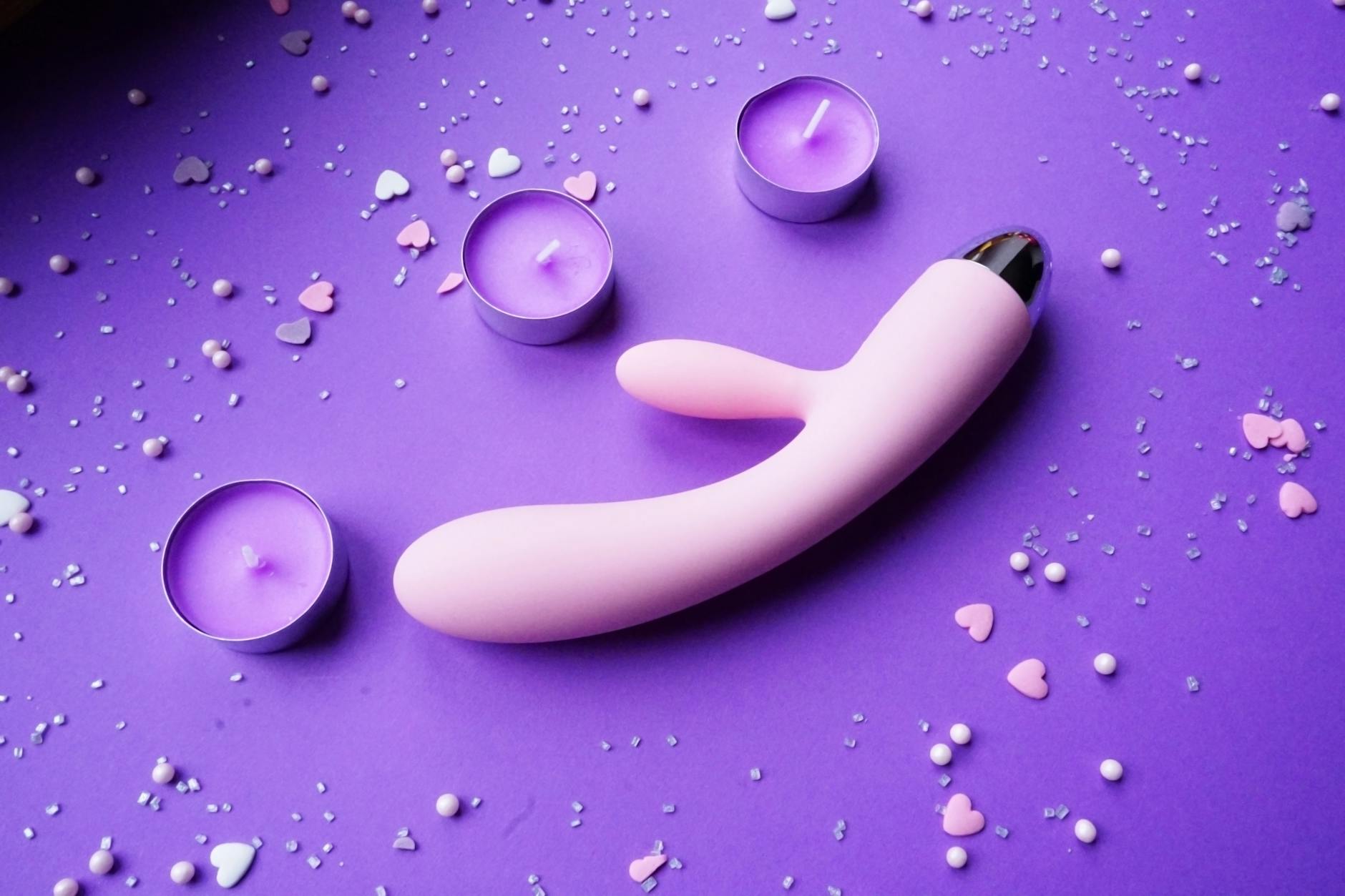
A lemon clitoral vibrator like Hello Nancy's Lem uses gentle suction combined with vibration. This is actually one of the best approaches for postpartum bodies for a few reasons.
Traditional vibrators rely on direct friction against tissue. After birth, especially if you experienced tearing or episiotomy, direct friction can feel uncomfortable or even painful until healing is more complete. Suction-based stimulation engages the nerves without the same mechanical pressure. It's gentler on healing tissue while often feeling more intense than you'd expect because it's hitting sensation differently.
The dual-action pattern of suction lemon sexual toys also means you're not relying entirely on the intensity setting to create sensation. Even at lower settings, the suction itself generates feedback. This matters enormously when your baseline sensitivity is lowered.
The postpartum timeline for pleasure
Understanding when it's actually safe and smart to return to any kind of sexual activity will help you use a lemon vibrator effectively.
Weeks 0-2: Don't. You're healing from the biggest physical trauma your body has experienced. Leave this alone.
Weeks 2-6: Check with your provider. Most people are cleared for penetrative sex around 6 weeks, but that doesn't mean clitoral stimulation is comfortable yet. Some people feel ready earlier. Listen to your body, not the calendar.
6-12 weeks postpartum: This is often when I see clients start exploring self-pleasure again. Sensation is typically still muted, but your body is more stable. If you're cleared by your provider and you're interested, this is a reasonable time to start gently exploring. A lemon vibrator at low settings can be a way to wake up those neural pathways without aggressive stimulation.
3-6 months postpartum: Sensation usually starts improving noticeably here, though it's highly individual. If you weren't ready earlier, this is often when things click into place.
6+ months: Most people have regained significant sensation by now, though full sensitivity might take longer. Breastfeeding can extend the timeline.
How to use a lemon vibrator safely postpartum
If you're cleared by your provider and you want to reconnect with your body, here's how to approach it.
Start with the lowest setting. Seriously. I know it sounds timid, but your sensitivity is lower and your pelvic floor is still recovering its tone and strength. Pattern 1 or 2 on the Lem, not patterns 5-8. You can always increase intensity. You can't un-overstimulate.
Use lubrication, even if you didn't need it before. Postpartum vaginal dryness is common, especially if you're nursing. Water-based lube makes a huge difference and makes sensation easier to access.
Give yourself time to warm up. Arousal naturally takes longer when hormone levels are low. Budget 10-20 minutes before you use the vibrator, not 2 minutes. Read something you find hot, think about something that turns you on, or just let your mind wander. Your brain is part of the arousal system too.
Start externally only. Even if you had sex vaginally before birth and you were cleared medically, your vaginal tissue is still reorganizing. Focusing on clitoral stimulation first makes sense. The clitoris typically has better sensation recovery because it's not dealing with the same kind of trauma as the vaginal canal.
Pay attention to what feels different. You might find that a particular intensity or pattern now feels better than it used to. Postpartum bodies sometimes discover new pleasure maps. That's not a loss. It's an exploration.
Stop if anything hurts. Pain is not part of the reclamation process. If you feel pain or sharp discomfort, close the browser, put the toy away, and check in with your healthcare provider. Some postpartum pain signals something that needs attention.
When to bring your partner back in
If you have a partner, reconnecting to your own pleasure first usually makes partnered sex feel less fraught. You know what works, you're not putting all the pressure on them to "fix" your sensitivity, and you can guide them toward what actually feels good now.
Talk about what's changed before you have sex. "My body feels numb around the edges" is useful information. "I need more time to get aroused" changes the rhythm. If how to use a lemon vibrator with your partner during sex, many couples find that incorporating a lemon clitoral vibrator during partnered sex actually helps the postpartum partner get over the arousal threshold faster, which takes pressure off both people.
Honestly, postpartum is when I see some couples actually reconnect most deeply because they have to throw out the old playbook and build something new.
When sensation doesn't come back
Most people regain normal sensation within 6-12 months. Some take longer. And some find that certain kinds of sensation have genuinely changed, and that's okay.
If you're past the 12-month mark and sensation still feels distant, pelvic floor physical therapy is worth exploring. A pelvic floor PT can identify if tightness, weakness, or scar tissue is interfering with sensation and can help address it. It's not magic, but it's often surprisingly effective.
If postpartum depression or postpartum anxiety is tangled up in your lack of arousal, that matters too. Trauma, sleep deprivation, and depression all suppress desire. Treating the depression often brings pleasure back before anything else does.
And if you're using a lemon vibrator and it just doesn't feel like much, try a different type of stimulation altogether. Some postpartum bodies respond better to very specific patterns or toys. Your preferences might have genuinely shifted.
The broader picture
Your body grew a human and then expelled or surgically delivered it. The fact that sensation is different isn't a personal failure. It's biology. Using a tool like a lemon sucker or other clitoral vibrator postpartum isn't lazy or cheating. It's a way to rebuild the conversation between your nervous system and your pleasure.
Take your time. Your body will tell you what it's ready for. And if you need guidance, a good relationship coach or sex therapist who understands postpartum recovery can help you figure out what reconnection looks like for your specific body.
People also ask
How long after giving birth can you use a vibrator safely?
Most providers clear people for external clitoral stimulation around 6 weeks postpartum if the birth went smoothly, but this varies by individual. Check with your doctor first, especially if you experienced tearing or episiotomy. Many people feel more emotionally ready around 8-12 weeks. Your comfort matters more than any timeline. If it hurts, stop.
Will a lemon vibrator help bring back postpartum sensation faster?
A lemon clitoral vibrator can help activate the nerve pathways and remind your body what arousal feels like, which may speed sensation recovery for some people. The suction mechanism is gentler than traditional vibrators, making it a good choice for healing tissue. That said, time and hormones are the real drivers of sensation recovery. The vibrator is a tool to explore during the process, not a fix for the underlying hormonal changes.
Is postpartum numbness around the clitoris normal?
Yes, very normal. Estrogen drops dramatically after birth, affecting nerve sensitivity everywhere in the vulva and clitoral area. This usually improves gradually over weeks and months. If numbness is paired with pain, tingling, or other concerning sensations, mention it to your healthcare provider. Most of the time it's just the nervous system recalibrating.
Can I use a lemon sexual toy if I had an episiotomy or tearing?
Yes, but start later in recovery and focus on external clitoral stimulation rather than penetration. An episiotomy involves cutting the perineum, which affects tissue below the clitoris. Healed scar tissue can be sensitive or numb. Using a gentle clitoral vibrator at low settings can actually help desensitize scar tissue and encourage healing nerve growth, but wait until the initial healing phase (usually at least 8-12 weeks) before trying. If anything feels sharp or wrong, stop and check with your provider.
Does breastfeeding affect how toys feel postpartum?
Yes. Prolactin, the hormone that triggers milk production, suppresses estrogen. This extends the postpartum hormonal landscape and can keep tissue thinner and sensitivity lower for as long as you're nursing. A lemon vibrator at very low settings can still work well for postpartum exploration, but you might find you need more time to warm up and possibly more lube than you expect. Some people notice their sensation improves fairly quickly after weaning.
What if I use a lemon vibrator postpartum and nothing happens?
This is normal in the early weeks. Arousal takes time, and your nervous system is reorganizing. Try using it as part of a longer warm-up rather than the main event. Give yourself permission to engage your imagination or other sensory input. Honestly, if it's still not clicking months later, talk to a healthcare provider. Sometimes postpartum depression, hormone imbalance, or other factors need attention first. The vibrator will work better once those are addressed.
The bottom line
Your postpartum body is not broken. It's different, and temporarily less sensitive, and that's a predictable part of the recovery process. A lemon vibrator can be a gentle way to explore sensation again when you're ready, but patience and self-compassion matter more than any tool. If you have questions about what's normal for your specific recovery, your healthcare provider or a relationship coach can help you figure out a timeline that feels right. Your pleasure will return.