
Let's name what's happening
You want to bring it up. You've drafted the conversation three times in your head. But every time you open your mouth, something stops you. Maybe it's shame. Maybe it's fear of looking needy. Maybe your partner has made jokes about toys in the past that landed wrong, or maybe you're just stuck in a pattern where sex doesn't get talked about, it just happens. Or doesn't.
This is one of the most common friction points I see in relationships: the gap between what people want and their ability to ask for it. And here's the thing nobody tells you. Sometimes you don't solve this by getting better at communication. Sometimes you solve it by creating a shared experience that gives you something to communicate about.
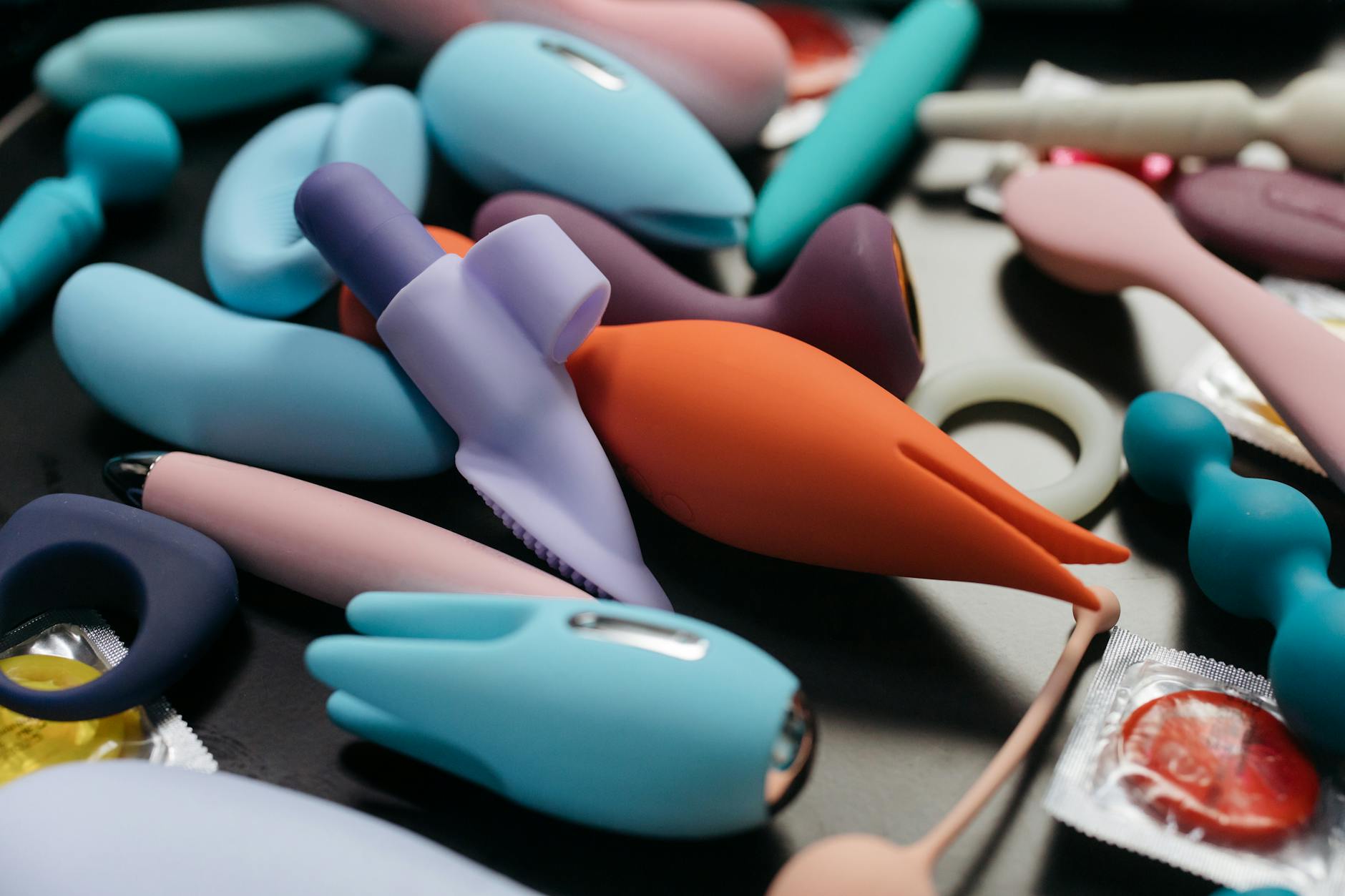
Photo by cottonbro studio on Pexels
Why lemon vibrators work when words don't
Lemon clitoral vibrators, particularly suction-style toys like those designed by Get Lemon Vibrators, create a bridge that conversation alone can't build. Here's why.
When you introduce a lemon vibrator to your intimate life with a partner, you're not starting a debate about whether you should use toys. You're inviting them into a physical experience. The nervous system responds to sensation before the brain gets a chance to activate shame or defensiveness. Your partner isn't sitting across from you defending their position. They're beside you, watching you respond to something new.
That changes everything.
Many couples I work with discover that the toy itself becomes the opening line. "I want to try this with you" is a complete sentence that carries far less risk than "I don't think our sex life is working" or "I need more stimulation." It's specific, it's action-oriented, and it puts both of you on the same team rather than on opposite sides of an argument.
The setup that actually works
Don't ambush it. The worst approach is to surprise your partner with a lemon vibrator mid-sex and expect enthusiasm. That creates shock, not arousal.
Instead, pick a calm moment when you're both clothed, fed, and not about to leave the house. Maybe after dinner. Maybe on a Sunday morning. Low stakes. Low pressure.
Here's what I recommend saying: "I've been thinking about trying something new in bed. I found this lemon vibrator that's supposed to feel really different from what we've been doing. I'd like to try it together. What do you think?"
Notice what this does. It signals intention without apology. It invites them in. It leaves room for their response instead of demanding one.
If they say no, that's information. You can ask why, but not in a wounded way. "That's fair. What would make you more comfortable?" Now you're having the conversation you couldn't have before, but it's grounded in a specific thing instead of floating in abstraction.
When your partner is nervous
Most partners aren't opposed to the idea of a lemon clitoral vibrator. They're nervous about what it means. Does it mean their touch isn't enough? Does it mean you're not satisfied with them? Does it mean you're going to want something weirder next?
I tell couples this directly. A lemon vibrator isn't a replacement for your partner. It's an addition. It's about expanding what's possible, not downgrading what already exists.
You might say something like: "I love what we have. I'm also curious about what else feels good to me. I'd like to explore that with you." That distinction matters. You're not choosing the toy over them. You're choosing to deepen your experience together.
Many partners who were initially hesitant become enthusiastic once they see how much pleasure their partner experiences. Watching someone you care about lose themselves in sensation is its own kind of intimacy. And once they understand that the toy isn't a threat, the communication door that was stuck suddenly swings open.
How to use lemon vibrators in a way that builds connection
Start with foreplay, not as the main event. A lemon vibrator works best when you're already aroused. Begin with touch, kissing, all the things you normally do. Let that build for ten to fifteen minutes.
Then, introduce the toy. If your partner is participating, they can hold it. Or you can. Either way, you're both watching what happens. You're both noticing what feels good.
The pattern of a lemon vibrator matters here. Unlike traditional vibrations, the suction sensation feels completely different. It's often less intense on the clitoris while somehow feeling more focused. For partners who've worried that a toy means harsh vibrations and numbing, this is a relief. Many people experience the first suction-style stimulation and think "Oh, this is nothing like I imagined."
Here's where the communication starts to flow naturally. You're both present. You're noticing together. You might say "That feels really different" or "I like when you move it slower" or "Can you feel how my body is responding?" These are easy conversations because they're rooted in observation, not defense.
What happens after
After you've used a lemon vibrator together, something shifts. You've crossed the threshold. You've proved that talking about pleasure doesn't destroy the relationship. It deepens it.
Many couples find that once they've introduced a lemon clitoral vibrator, other conversations become easier. Suddenly you can say "I want us to spend more time on foreplay" or "I'd like more of this and less of that" because you've already been vulnerable together in a concrete way.
The toy becomes evidence that your partner is willing to show up for your pleasure. And you've shown that you're willing to be honest about what you want. That's the foundation of better communication across the board.
When progress stalls
Sometimes you introduce a lemon vibrator and your partner uses it with you exactly once, and then it disappears into a drawer. This often means the emotional block is still there. The physical barrier came down, but the relational one didn't.
If this happens, you might need to have a slightly bigger conversation. Not about the toy, but about what the resistance is actually about. Is your partner feeling insecure? Are they worried about being judged? Do they feel pressured? These are real issues that a vibrator can't solve, but now you have a concrete opening to explore them.
If those conversations feel too fraught to handle alone, consider working with a therapist who specializes in couples and sexuality. There's no shame in getting help navigating this territory.
The long view
Introducing lemon vibrators when communication feels stuck isn't a workaround. It's a doorway. The toy itself isn't the solution. The solution is that you're willing to be honest about what you want, and your partner is willing to engage with that honesty. Everything else follows from there.
Once that door opens, you get to decide what comes next. Maybe lemon vibrators become a regular part of your intimate life. Maybe you explore how to use lemon vibrators during intercourse with your partner for a different kind of closeness. Or maybe the vibrator was the catalyst and now you can talk about pleasure in a way that didn't feel possible before.
Any of those outcomes means you've actually solved the thing that was stuck. And that's worth a lot more than any toy.
FAQ: Communication, toys, and connection
How do I know if my partner will actually be open to using a lemon vibrator with me?
You won't know until you ask. What I can tell you is that most people are more open than their partners assume. We tend to catastrophize. The actual conversation is usually less dramatic than the one you rehearsed in your head. Start by asking directly: "I'm curious about trying a lemon vibrator together. How do you feel about that?" Listen to the answer without defending yourself. If they say no, ask why. Often there's a specific concern you can actually address. Often there isn't. And that's information too.
What if my partner makes fun of me for wanting to use a lemon clitoral vibrator?
That's worth taking seriously. Mockery about your pleasure is a form of emotional dismissal. You can try responding with firmness: "My pleasure matters to me, and I need you to treat that with respect." If your partner can't shift that behavior, you might be looking at a larger relationship issue that goes beyond toys. A therapist can help you figure out whether this is fixable or whether it points to incompatibility.
Can using a lemon vibrator together actually improve our communication about other things?
Yes. When you've been vulnerable about pleasure and your partner has shown up for that, it often creates safety around other conversations. People who can talk about sex in a grounded way usually find it easier to talk about feelings, needs, and concerns generally. But the toy doesn't do the work. Your willingness to be honest does. The vibrator is just the catalyst.
What if we try it once and my partner never wants to do it again?
That's information. It might mean they weren't as comfortable as they seemed. It might mean they felt pressured. It might mean the sensation wasn't for them. Ask, without accusation: "I noticed we haven't used the lemon vibrator since last time. What was that like for you?" Listen to the answer. Maybe they need more time. Maybe they need something different. Maybe they have concerns they didn't express. You can't solve a problem you don't understand.
Is it weird to use a lemon vibrator if my partner initially didn't want one?
Not weird. Human. Lots of people come around once they see that the toy isn't a threat to the relationship. Start with solo use if you need to. Let them observe that your pleasure expands, doesn't shrink. Many partners shift from resistant to curious once they understand what's actually happening. Give it time.
How do I bring up lemon vibrators if we haven't talked about sex at all in years?
This one's tricky because the lack of communication isn't about the toy. It's about a pattern. You might need to have the bigger conversation first: "I miss feeling close to you sexually. I want us to figure this out together." Once you've acknowledged that there's a gap, introducing a lemon vibrator becomes less shocking. It becomes part of the solution you're building together.
The bottom line
When communication feels stuck, sometimes the problem isn't that you don't know what to say. It's that you don't know how to say it safely. A lemon vibrator doesn't replace that safety. But it can help you build it. Once you've been vulnerable together and your partner has shown up, the other conversations become possible. That's where real connection lives.