Here's the thing about distance in relationships
Emotional distance kills sex faster than any medical condition, hormone shift, or schedule conflict ever will. You can be in the same bed and feel miles apart. The desire doesn't just disappear. It gets crowded out by resentment, exhaustion, and the quiet conviction that your partner doesn't really want you anyway.
When couples come to me after months or years of drift, the sex life is almost always the last thing they mention. But it's often the thing they need to repair first, because physical intimacy is one of the few languages left when words have stopped working.
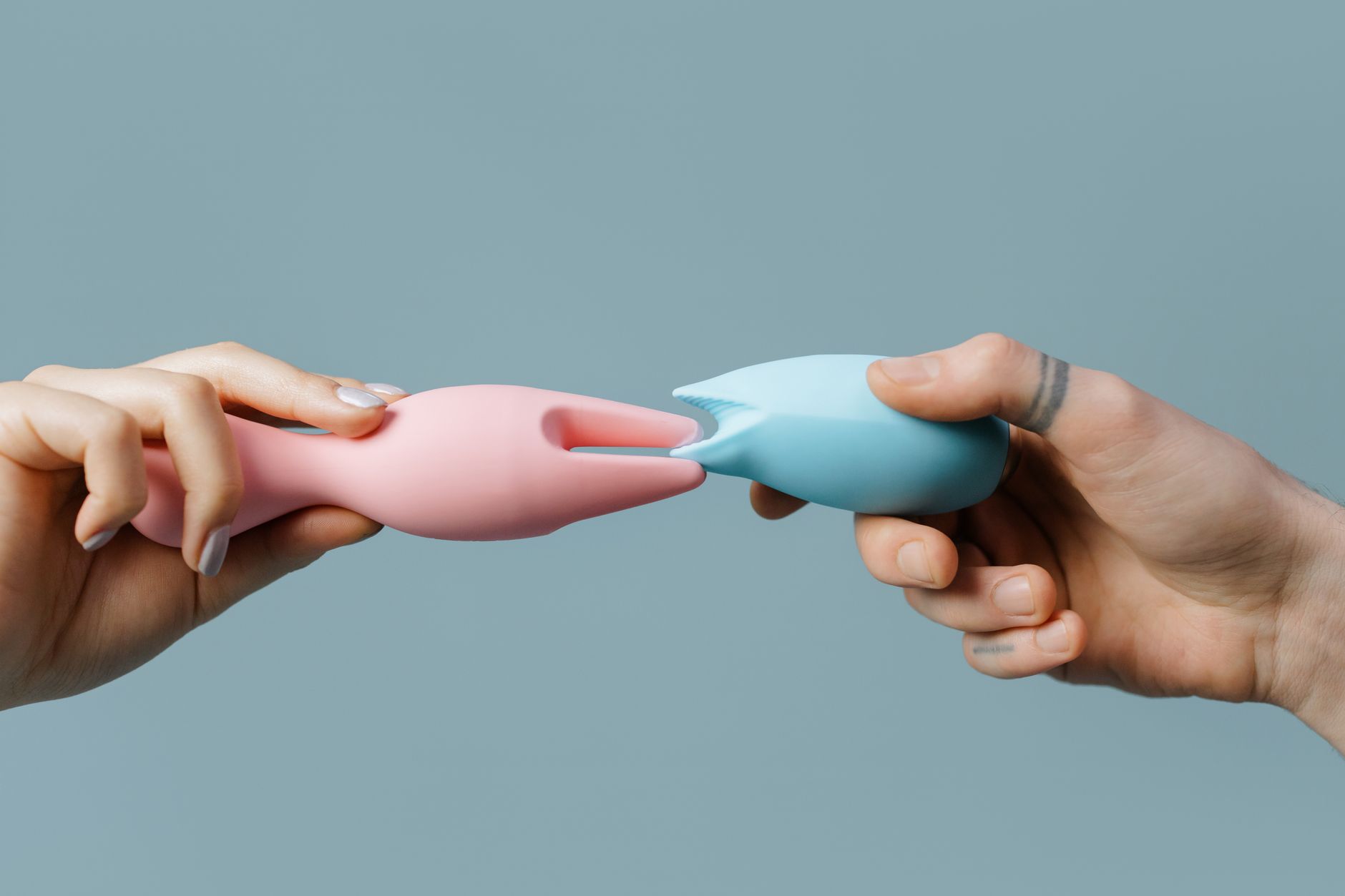
That's where tools like lemon vibrators come in. Not as a Band-Aid. As a conversation starter.
Why distance makes desire vanish
When you and your partner have grown distant, your nervous system stays in a defensive state around them. You're hyperalert to rejection or judgment, which makes arousal nearly impossible. Your brain is asking, "Is this safe?" before it can ask, "Does this feel good?"
Physical pleasure requires vulnerability. It requires believing, on some level, that your partner wants you. Distance erodes that belief. So even if you're touching, the body doesn't respond the way it used to.
Here's what most couples don't understand: you can't think your way back to desire. You have to feel your way back. And sometimes introducing a tool that takes the pressure off performance and the judgment out of the equation gives both of you permission to actually feel again.
Starting the conversation before you start anything else
Don't bring a lemon clitoral vibrator into the bedroom without first saying something outside the bedroom. I recommend sitting down when you're both clothed, not distracted, and saying something like this:
"I miss us. Not just sex. But sex too. And I think part of why it's hard is because we've both pulled back, and now it feels risky to try. I'd like to try something different. Not to fix me or fix you. Just to give us a way to reconnect that feels less scary."
Then mention the tool. Say you'd like to explore it together, but not as pressure. As curiosity. Make it clear this is about both of you, not about one partner being broken or unsatisfied.
If your partner says no immediately, don't push. But do ask why. Sometimes the resistance isn't about toys. It's about the deeper distance. Having that conversation is actually the first step of repair.
How to introduce a lemon vibrator without making it weird
If your partner is open to trying, here's the rhythm that actually works:
Start clothed. Spend time touching each other without any expectation of sex. Hands, kissing, whatever feels natural. Let your nervous system remember what it feels like to be wanted by this person again.
Then, when you're already aroused, introduce the tool. Don't make it a big production. Don't announce it like you're about to do something radical. Just say, "I want to try this together," and keep going.
The first time, slow intensity is everything. Low patterns. Lots of lube. Lots of checking in. This isn't about orgasm. It's about rebuilding the sensation of being present with each other.
What actually heals the distance
Here's what I've seen happen over and over: couples who use a lemon vibrator during this rebuild phase report that it helped them do something they couldn't do on their own.
It gave them permission to be selfish about their pleasure without guilt. It made them laugh together for the first time in months. It created a shared secret that belonged just to them.
But the tool itself isn't the healer. The healer is the conversation, the vulnerability, the willingness to be present with each other again.
Lemon vibrators, especially clitoral vibrators like those offered by Get Lemon Vibrators, work well during this phase because the sensation is so localized and intense that it cuts through distraction. Your mind stops spiraling about the relationship for ten minutes and just feels something good. That's not nothing.
When to bring in more support
If you've tried this and nothing shifts, that's a sign the distance is about something deeper. A couples therapist isn't just for relationships in crisis. It's for couples who want to rebuild and don't know how.
A lemon sucker or clitoral vibrator can help with the physical part of reconnection. But it can't fix contempt, infidelity, or fundamental incompatibility. Be honest about what you're dealing with.
If it's simple drift, distance from life stress, or just a dead bedroom that needs reviving, this kind of gentle reintroduction to shared pleasure works surprisingly well. If it's something heavier, get help.
The patience part nobody talks about
Rebuild doesn't happen in one night. It takes weeks of consistent small moments. A hand on your partner's back. Eye contact during ordinary conversation. Saying thank you for small things.
When you finally do use lemon sexual toys together, do it without a timeline for "normal sex." The goal is sensation, presence, and connection. Not performance.
Some couples find that once they break the ice with a tool, they don't need it anymore. Others keep using it because it works. Both are fine. The tool isn't the point. The point is what it makes possible between you.
FAQ
Will using a vibrator make my partner feel inadequate?
Not if you frame it as something you're exploring together, not something he's failing at. The narrative matters. "I want to feel this with you" is completely different from "This will do what you can't." If he's insecure, that's a conversation to have now, not something to work around in the bedroom.
How do I know if my partner is actually interested or just doing it to appease me?
Enthusiasm is different from compliance. Real interest usually shows up as curiosity, questions, or genuine checking in with you. Compliance shows up as going through the motions. If you sense the latter, pause and ask directly. "Do you actually want to try this, or are you doing it because I want to?" The answer matters.
What if we try this and nothing changes between us?
Then the distance might be about something this tool can't address. That could mean couples counseling, deeper conversations about what you both actually want, or facing the possibility that you've grown incompatible. A vibrator can bridge a gap. It can't cross a chasm. Knowing the difference is important.
Is there a specific lemon vibrator pattern that's better for couples?
Start low and slow. Higher patterns and intensity are great once you're both fully engaged, but during rebuilding, the gentler patterns help you both stay present and connected instead of just chasing sensation. You can experiment after you've practiced being vulnerable together.
What if I'm the partner who's been pulling away and I feel guilty about that?
Guilty is often good information. It means you care. But guilt that stays silent doesn't fix anything. Tell your partner what you're feeling. "I've been withdrawn and I know you've felt it. I want to try coming back to you." That's brave. Then show up for it.
How often should we be using this during the rebuild phase?
Once or twice a week is usually enough to create a pattern and rebuild safety. More than that can start to feel obligatory, which defeats the purpose. Less than that and you lose momentum. Find the rhythm that feels sustainable for both of you without becoming a checklist item.