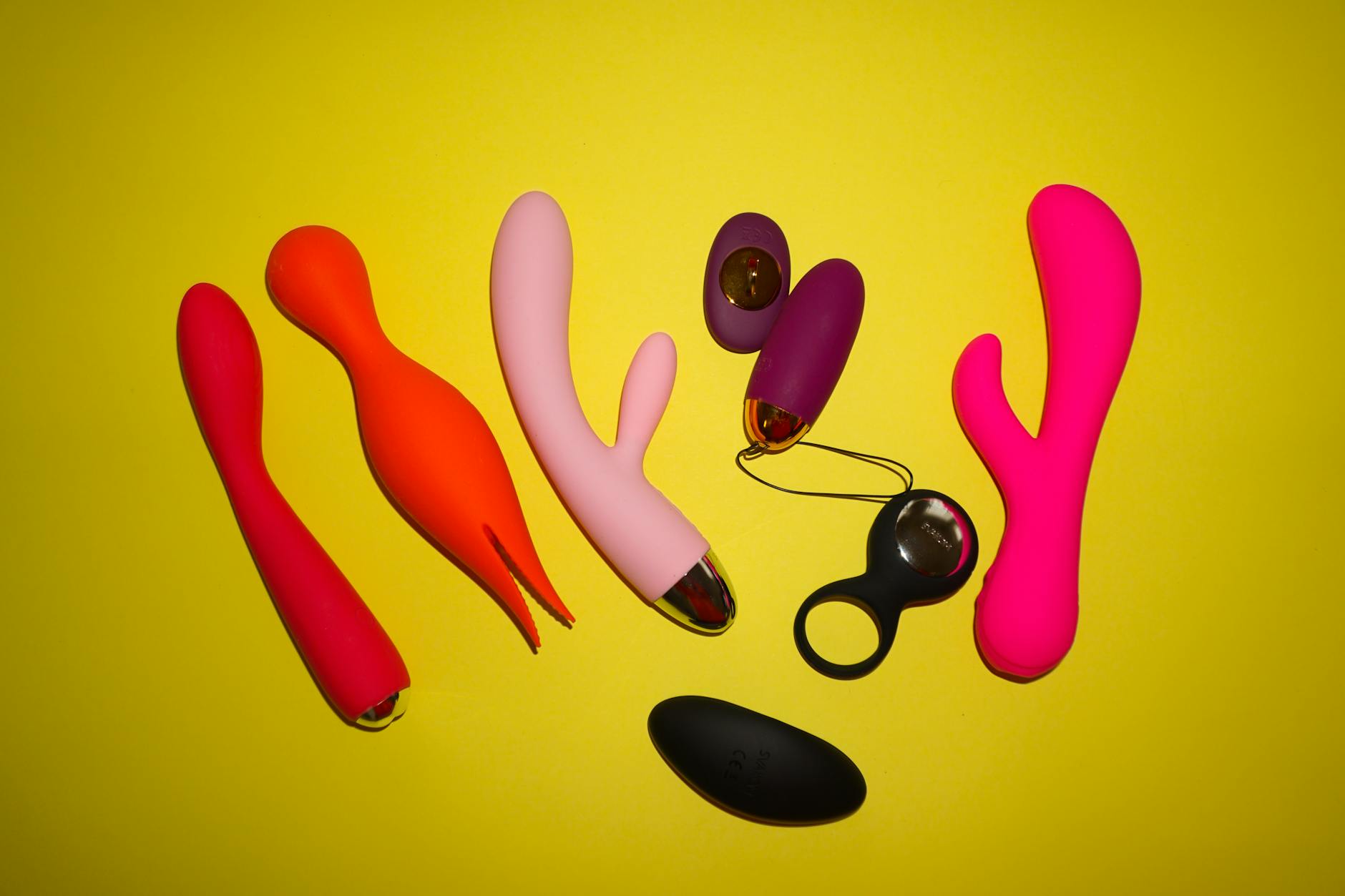
The gap between then and now
Let's be real. You haven't had sex in years. Maybe it was grief, maybe depression, maybe a relationship ended and you just... didn't. The reasons matter less than this: your body feels unfamiliar, your mind is skeptical, and the idea of pleasure sounds like someone else's story, not yours.
You're not broken. You're in a gap. And gaps close differently depending on what you use to cross them.
Why a long absence changes the landscape
When you stop having sex or touching yourself for an extended period—months, years, a decade—three concrete things shift. First, pelvic floor muscles atrophy slightly. They're not as responsive, which means arousal takes longer and sensation feels duller. Second, your brain's neural pathways for sexual response get quieter. Not gone. Quieter. Third, and this matters most: you've built a story that it won't work, and your nervous system believes that story.
Clitoral vibrators, especially air-suction models like lemon vibrators from Hello Nancy, address all three at once. The technology provides consistent stimulation that wakes up nerve endings without requiring the coordination your body forgot it had. It asks nothing of you but presence.
Most clients who come back to pleasure after years away tell me that a tool—rather than a partner, rather than willpower—was what made it possible. Tools don't require performance. They just work.
The permission problem nobody talks about
Your clitoris didn't forget anything. Your pleasure capacity is still there. But your brain did forget that you deserve it.
After years of no sex, shame gets creative. It whispers that your body is broken, that you're too old, that good women don't restart this conversation. It sounds reasonable. It sounds like protection. It's actually the biggest obstacle to recovery.
I tell every client in this position the same thing: Your pleasure matters. Not eventually. Now. Not because your partner wants it, not because you "should." Because you've spent enough time away from yourself.
Using a lemon clitoral vibrator solo is the cleanest way to move through that resistance. No performance, no negotiation, no one else's timeline. Just you and a tool that works. The mind catches up faster when the body leads.
Starting with the right expectations
Your first experience back probably won't blow your mind. It might feel strange. Your clitoris might feel more sensitive than you remember, or less. Your arousal might take fifteen minutes instead of two. None of this means you're broken.
Here's what I recommend for the first month:
Week one: Explore without expectation of orgasm. Use a lemon vibrator on a low setting for five minutes. That's it. No pressure to "finish." The goal is sensation, not outcome. Your nervous system needs to remember what touch feels like.
Week two: Increase to ten minutes, same low setting. If you notice changes—tingling, warmth, increased sensation—that's your body waking up. If nothing shifts, keep going. Nerve pathways reactivate on their own timeline.
Week three: Try the next setting up if week two felt comfortable. Notice what you actually like, not what you think you should like. This is research, not performance.
Week four: You'll have learned something about rhythm, intensity, and your own preference. Build from there. Orgasm might happen. It might not. Both are fine.
The research is real: consistent stimulation from air-suction clitoral vibrators reactivates dormant nerve pathways faster than manual stimulation alone. Lemon vibrators, specifically, provide sustained suction without the friction that might feel jarring on tissue that's been resting. This matters.
The physical things that help
Four practices make a measurable difference:
Breathwork first. Before you touch anything, spend two minutes breathing slowly. In for four, hold for four, out for six. This activates the parasympathetic nervous system. Your body can't be simultaneously in fight-or-flight and open to pleasure. Breathing solves that conflict.
Start with warmth. A warm bath or shower before solo exploration helps pelvic floor muscles relax. Tension is the enemy of sensation. Warmth releases it.
Water-based lubricant, always. Even if you don't think you need it, use it. Years of sexual rest mean tissue is thinner, less elastic. Lube isn't a sign of failure. It's a tool that makes sensation possible. For a lemon vibrator—any air-suction clitoral vibrator—add a small amount around the external area, not inside the device itself.
Time without distraction. Fifteen minutes minimum, phone in another room. Your brain needs continuity to reactivate pleasure pathways. Interruptions reset the clock.
When partnered sex feels like the real goal
Here's the honest part: solo recovery with a lemon clitoral vibrator isn't about avoiding partnership. It's about learning your own body again before asking someone else to navigate it with you.
Many clients ask, "When can I introduce my partner?" The answer depends on two things. First, have you had an orgasm solo? Not because you "should," but because you've learned what your body needs. Second, are you comfortable with your own pleasure as separate from partnership pleasure? Can you want it for yourself, not as a gift to someone else?
Once both are true, introducing a lemon vibrator to partnered sex becomes easier. Your partner isn't rescuing you. You're showing them what works. You're the expert on your own body.
The clients who struggle most are the ones who skip the solo phase. They try to restart intimacy with a partner watching, and the performance anxiety reactivates all the old stories. Solo work first. Partnership second. The order matters.
The emotional recalibration
Your body isn't the only thing that's been resting. Your emotional capacity for vulnerability might feel thin too. Years without sexual connection often come with years of self-protection. Your nervous system learned that safety meant shutdown.
When you restart with a lemon vibrator solo, you're teaching your body that touch is safe again. That you can feel without being invaded. That pleasure is for you, not something that happens to you. This is the deepest work, and it can't be rushed.
Some clients cry the first time they experience sustained pleasure after a long gap. Some feel nothing at first, then feel everything in week three. Some realize that the gap wasn't about the body at all—it was about grief, or dissociation, or a partner who didn't respect their consent.
All of this is normal. Your job is to stay curious, not judgmental. The body tells you exactly what it needs. You just have to listen.
What sets lemon vibrators apart for comeback sex
Air-suction technology—the kind that defines Hello Nancy's lemon clitoral vibrator—works differently than traditional vibrators. Instead of oscillation (side-to-side buzzing), suction creates rhythmic pulses that mimic oral sex. For people returning to pleasure, this matters because it doesn't require the same tissue sensitivity that friction-based vibration demands.
Your clitoris has eight thousand nerve endings. After a long rest, those nerves are still there, just quieter. Suction wakes them up gently. There's no "right" way your body should respond. There's only what actually feels good to you.
The Lem, our most popular lemon vibrator, has eight settings. For comeback sex, I usually recommend starting at one or two and staying there for weeks. Your body will tell you when it's ready to explore higher intensities. Listen.
People also ask
How long before I feel sensation again after years without sex?
Sensation typically returns within two to four weeks of consistent stimulation. Some clients notice small shifts—tingling, warmth, increased sensitivity—in the first week. Others don't notice obvious changes until week three or four. Consistency matters more than intensity. Five minutes every other day beats once-a-week longer sessions. Your nervous system needs regular signals that touch is safe and good.
Is it normal to not orgasm for the first month using a lemon vibrator?
Completely normal. Orgasm requires a specific neurological state—relaxation plus arousal plus sustained stimulation. After a long gap, your nervous system is relearning how to access that state. If you're experiencing sensation and arousal, you're progressing. Orgasm is the destination, but the real work is the path. Rush it and you've missed the point.
Should I use a lemon clitoral vibrator if I'm planning to restart sex with a partner?
Absolutely. Solo exploration with a lemon vibrator teaches you what your body needs. You become the expert. When you introduce a partner later, you're not asking them to figure you out—you're showing them what works. Partners find this genuinely attractive. It's the opposite of burden. It's knowledge and agency.
Can a lemon vibrator help if I have pain or numbness from medication?
Yes, but differently. Air-suction vibrators like the lemon clitoral vibrator tend to feel gentler than traditional vibrators because they work with suction rather than friction. If medication is causing numbness, starting low and staying consistent helps. If pain is present, that's a conversation for a doctor—not because vibrators are unsafe, but because pain usually signals something that needs clinical attention first. Healing the pain, then reintroducing pleasure, works better than fighting both simultaneously.
How do I know if I'm using a lemon vibrator correctly after a long break?
There's no "correct" way. Some people come with direct clitoral contact. Others prefer sensation through the hood. Some like sustained suction at one intensity. Others prefer rhythmic pulsing. Spend the first few weeks experimenting without an outcome goal. Just notice what makes you say, "Oh, that," and more of that. The lemon vibrator is responsive to your preferences. Let it be.
What if I feel shame or anxiety using a lemon vibrator when I'm restarting?
That's the old story talking. Write it down. Look at it. Ask if it's true now, in this moment, with you alone and safe. Usually, the answer is no. Shame thrives in silence. It dies with attention. If the anxiety is overwhelming, that might be worth a conversation with a therapist. Trauma and long sexual gaps often go together. Healing both matters. A lemon vibrator can be part of that healing, but not all of it.
Moving forward
Restarting intimacy after a long gap isn't about erasing the gap. It's about building a new relationship with your own pleasure. You're not the same person who stopped. That's not a problem. It's an opportunity.
A lemon vibrator—an air-suction clitoral vibrator from Hello Nancy—can be the bridge between the person you were and the person you're becoming. It asks nothing. It judges nothing. It just meets your body where it is and wakes up what's been sleeping.
Your pleasure matters. The gap doesn't define you. And starting over, at any age, is always worth the time.