Let's be real about what happens
Something shifts around 30. Not everything stops working. Nothing breaks. But the exact sensation that made you lose your mind at 25 might feel weirdly numb now, or too intense, or just... off. You're not imagining it. Your body actually is different.
The good news? Understanding why matters, and so does knowing which tools adapt better to your changing nervous system. Lemon clitoral vibrators and suction-based designs work differently than traditional vibration, and that difference becomes more noticeable as tissue sensitivity changes. Let me walk you through what's actually happening.
How tissue sensitivity evolves in your 30s
Your skin doesn't just age visually. The epidermis thins slightly, blood flow patterns shift, and nerve density in sensitive areas can change with hormonal fluctuations. This isn't menopause. It's something quieter.
Three specific things happen:
First, the clitoris becomes less uniformly sensitive. The external glans might feel less responsive to direct vibration, while the internal branches (the ones you can't see) stay reactive. This creates a weird mismatch. A vibrator that buzzed directly on the glans and worked great now feels like it's missing the actual pleasure spots.
Second, overall skin elasticity changes. This means sustained direct pressure starts to feel flattening instead of stimulating. It's not pain. It's more like the sensation gets absorbed instead of amplified.
Third, your arousal timeline shifts. It takes slightly longer to build intensity, and abrupt high-frequency stimulation can feel jarring instead of climactic. You need a ramp, not a sudden jump to pattern 5.
Why lemon vibrators and suction toys adapt better
Traditional vibrators work by buzzing back and forth at 5,000 to 10,000 cycles per minute. They're efficient, direct, and they work great for some bodies. But after 30, many people find that constant micro-movement misses the mark.
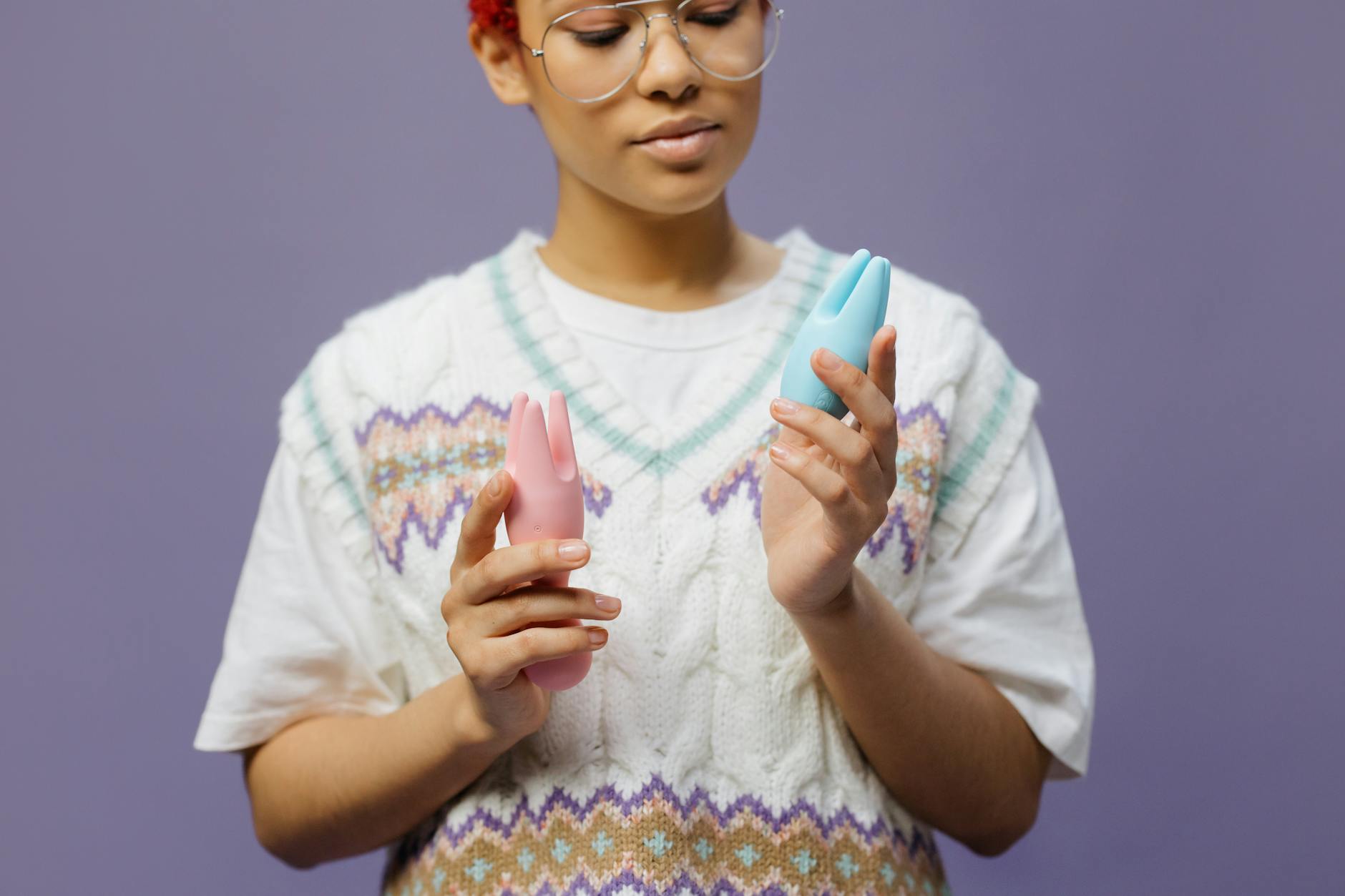
Lemon clitoral vibrators and other suction-based devices work on completely different physics. Instead of vibration, they create a gentle seal and release cycle. This pulls tissue slightly rather than tapping it. The stimulation spreads across a wider area of the clitoris, engaging both the visible glans and the internal structure.
Why this matters: as surface sensitivity changes, suction devices actually become more effective because they don't rely on direct vibrational frequency. They're working with the architecture of the clitoris itself, not against it. The sensation reaches deeper, more consistently, across a broader range of the organ.
Research on pleasure and sensation shows that varying stimulation types (suction, gentle vibration, rhythmic pressure) activates different neural pathways. If direct vibration has started to feel one-note, switching to a lemon sucker literally changes which nerves fire.
The horsepower problem
Here's something nobody tells you: more power is not always better after 30.
In your 20s, you might have loved the highest intensity setting. The sensation was clean, direct, efficient. Now? Many people find that lower to medium settings on a lemon vibrator feel more textured, more varied, more actually pleasurable than cranking the dial to maximum.
This isn't a sign you're broken. It's a sign your nervous system prefers nuance. And honestly, that's more interesting. You get to explore the full range of what a toy can do instead of hunting for one specific intensity.
That's why I always recommend starting lower with any new device after 30. Test patterns 1 and 2. Feel how the sensation blooms. Move up only if you want more intensity, not because you assume you need it.
Lubrication becomes part of the equation
Your body hasn't stopped producing natural lubrication, but the consistency and responsiveness often shift slightly in your 30s. This is totally normal and has nothing to do with attraction or arousal capacity.
The practical upshot: external lubrication becomes a genuine pleasure tool, not a workaround. Water-based lube changes how a lemon clitoral vibrator feels. It reduces friction, allows the suction mechanism to work more smoothly, and often intensifies sensation because the toy can glide and pulse without catching.
I recommend keeping lube on your nightstand not because something is wrong, but because it's an upgrade. Same way you might add a pillow under your hips for better angle. It's customization, not compensation.
Why arousal timing matters more now
After 30, foreplay stops being optional. Your body hasn't forgotten how to respond. It just wants the setup to match the punchline.
At 25, you might have been ready in three minutes. At 35, that might be twelve. That's not decline. That's your nervous system asking for more context, more attention, more build.
When you move toward pleasure with that understanding, lemon sexual toys shine because they're designed for sustained exploration rather than quick results. You can play with different patterns, different positions, different pressures without everything just being on or off or loud or silent. The complexity matches the complexity of what your body now wants.
Many of my clients actually report that this shift is when sex becomes more reliable for them, not less. Once they stopped expecting their 25-year-old response and started reading their current body's cues, pleasure came back richer.
Positioning and angle become strategic
Another thing that changes: the exact angle that hits the spot might not be the same.
Years of tension, different exercise routines, pregnancy or not pregnancy, desk posture, sleep position. All of it subtly alters pelvic floor architecture and which angles give access to the most sensitive tissue.
With a lemon vibrator, because the stimulation is broader and less point-focused than a traditional vibrator, you have more room to move and still feel the effect. But it's worth experimenting. What worked at 28 might not be the first instinct now. And finding the new angle is part of the process.
Mental load affects sensation more than it did
Stress, relationship shifts, work pressure, aging parents, body image. All of it lands in your nervous system.
After 30, mental distraction tangled with physical pleasure in ways it might not have before. This isn't weakness. It's just how complex nervous systems work under ongoing life pressure.
That means context matters. Privacy without rushing matters. A partner who isn't making it transactional matters. Or time alone without guilt. The tool itself matters less than the ecosystem around using it.
Lemon clitoral vibrators give you permission to slow down because the sensation is so different from the frantic buzzing some people associate with efficiency. You can't really rush a suction device. It naturally invites presence. And often, that shift alone changes everything.
Hormonal shifts during the month
Your cycle didn't stop, and it's still affecting sensation. But the pattern might be different now.
Some people find that before ovulation, when estrogen peaks, sensation feels more robust. Post-ovulation, as progesterone rises, some find that gentler stimulation feels better. This wasn't necessarily true at 25 either, but cycles often stabilize and clarify in your 30s, making the pattern more obvious.
Paying attention to these micro-cycles and matching your tool choice is not obsessive. It's informed pleasure. It means you're not assuming one device works the same way every day of the month.
FAQ: Your actual questions
Should I replace my vibrator now that I'm over 30?
Not necessarily. But if what used to work suddenly feels off, yes, it's worth exploring something different. Lemon vibrators offer a genuinely different sensation that many people find works better as tissue sensitivity changes. You don't have to abandon what worked before. You get to add to your collection.
Does sensitivity change mean I'm losing my ability to orgasm?
No. Your ability to orgasm is still there. It's just asking for a different approach. Many people have their most intense orgasms after 30 because they stop fighting their body's actual preferences and start working with them.
Is there a best lemon clitoral vibrator for over-30 bodies?
The best one is the one that matches your current sensitivity. That usually means something with a lower base frequency and a good range of patterns rather than maximum intensity. The Lemon Clitoral Vibrator is built for exactly this kind of variation. But start low and listen to what your body actually wants, not what you think it should want.
Can hormonal birth control affect sensation after 30?
Absolutely. Hormonal changes from any source (pills, IUDs, patches) affect tissue and blood flow. If you've been on the same contraception for years, your body has probably adapted. If you switch methods, yes, sensation might shift slightly. It's not permanent. Your nervous system recalibrates in about two to four weeks.
Is lube required with lemon sucker vibrators?
Not always, but it's strongly recommended. These devices work best with lubrication because it allows the seal to form consistently and the sensation to spread. Water-based lube works great. Silicone lube works too, just make sure your toy is silicone-safe (most are).
Why does direct vibration feel numb now?
As surface tissue sensitivity changes and blood flow patterns shift, constant high-frequency vibration can actually desensitize nerve endings instead of stimulating them. Suction and broader stimulation patterns activate different nerve pathways, which is why switching tools often feels like your pleasure has come back online.
The real takeaway
After 30, your body is not breaking down. It's revealing itself. The shifts in sensation are information. They're telling you something about what works now that worked differently before. That's not loss. That's evolution.
Lemon clitoral vibrators exist partly because of this. They're designed for bodies that want nuance, variation, and sustained pleasure rather than a quick spike. They adapt to you instead of asking you to adapt to them.
If you're noticing changes in sensitivity or what used to work, that's not a sign to give up on pleasure. It's a sign to get curious about your current body. And that's when things often get better, not worse.
If you have more questions about what tools might work for your body right now, we're here. You can reach out anytime at /contact.